Dual Battery and Auxiliary Power Systems for Trucks and SUVs: What to Install and Why
7 min de lectura
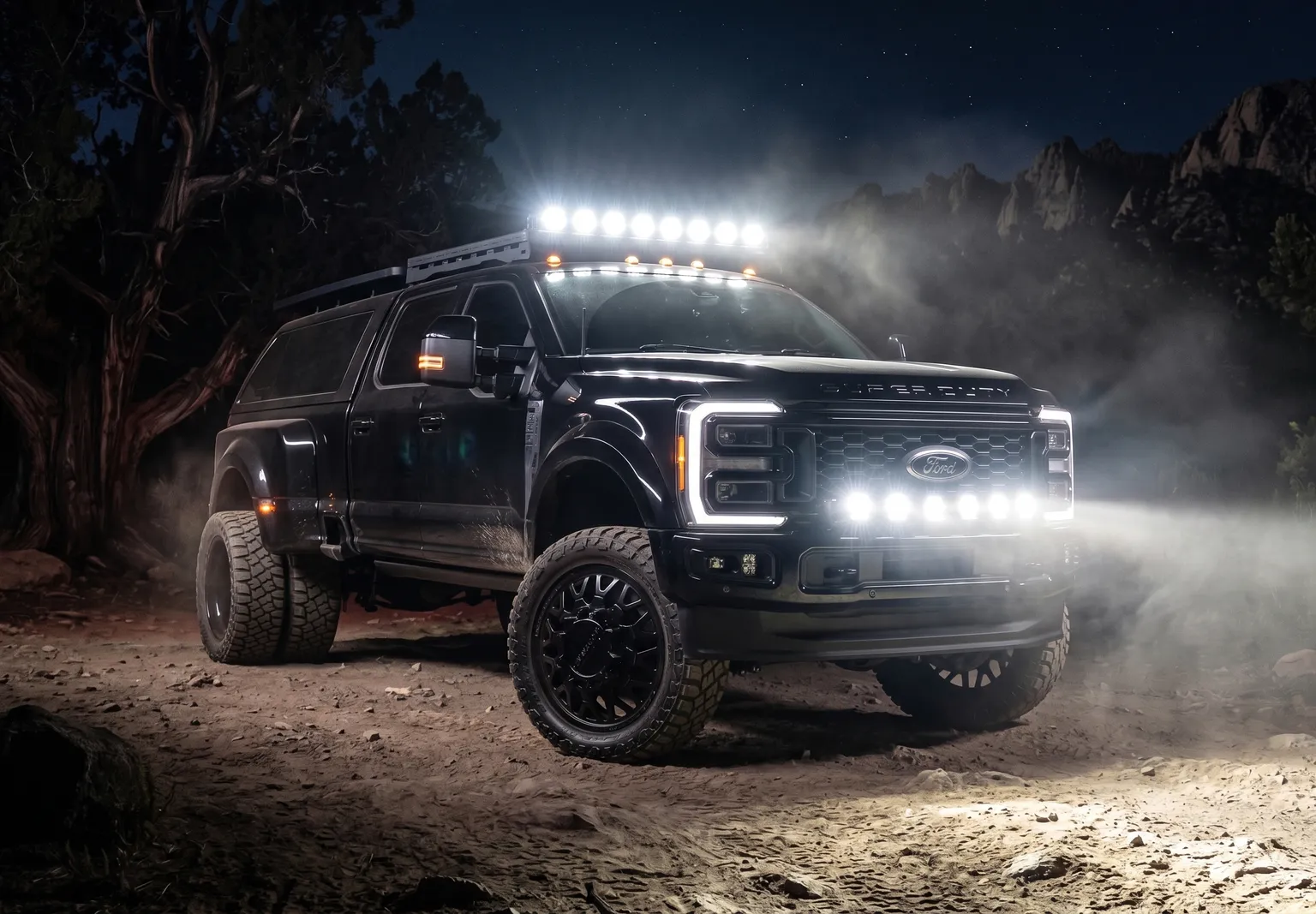
The short answer
A dual battery system adds a second battery so you can run accessories without draining the battery that starts your truck. It matters most when you add power-hungry gear: a winch, a fridge, camp lighting, a light bar, an air compressor or a rooftop tent with fans and charging. Your options run from a simple portable power station to a fully installed dual battery system with an isolator or DC-DC charger. Choose by how much power you use and how long you stay parked. Wiring, fusing and charging are what make a system reliable, so have it installed properly.
This guide is part of our accessories guide. We skip wheels, lift and tires because most Lifted Trucks builds already include them, though a lifted, heavily accessorized truck puts more demand on the electrical system, which we cover below.
En este artículo
Who needs auxiliary power?
- Overlanders and campers who run a fridge, lights and devices for days.
- Off-roaders who use a winch, which draws heavy current in short bursts.
- Owners with lots of lighting, such as light bars, ditch lights, rock lights and work lights.
- Work crews and ranchers who run tools, lights or equipment away from a power source.
- Anyone who has been stranded by a dead battery after listening to music or running accessories with the engine off.
If your accessories are limited to a few lights and a phone charger, your factory electrical system may be enough. The more you add, the more a second power source helps.
How much power do you use?
Before you choose a system, add up what you plan to run. Look at each device's power draw and how long it will run. Fridges run on a cycle. Lights, fans and chargers run for hours. A winch draws a lot of current for a short time.
A simple method:
- List every device you plan to power.
- Note its power draw in watts or amps, from the label or manual.
- Estimate hours of use per day.
- Multiply to find daily energy use, then add a safety margin.
Your total tells you the battery capacity you need. Ask your installer to check the math against your setup rather than guessing.
Option 1: Portable power stations
A portable power station is a self-contained battery with outlets and ports.
Pros: No permanent wiring, easy to move, works for camp and home, and simple to add.
Cons: Limited capacity, takes up space and does not power a winch or other high-current vehicle accessories.
Best for: Weekend campers, light power needs and anyone who wants a no-install option.
Many power stations can charge from the vehicle or a solar panel. Check the charging method and speed before you buy.
Option 2: Dual battery systems
A dual battery system installs a second battery in the vehicle, usually under the hood or in the bed or cab, and connects it to the first through a device that charges it while you drive and separates it when you park.
Isolators and DC-DC chargers
- Battery isolators and relays link the batteries when the engine runs and separate them when it stops, so the starter battery stays charged.
- DC-DC chargers manage charging more precisely and are generally better with modern vehicles and with certain battery types. Many modern trucks have smart alternators that benefit from a DC-DC charger.
Battery types
- Flooded lead-acid batteries are common and low cost, but need maintenance and are heavy.
- AGM (absorbent glass mat) batteries are sealed, vibration resistant and widely used for auxiliary power.
- Lithium (LiFePO4) batteries are lighter and offer more usable capacity, but they need compatible charging and cost more.
Match the battery type to the charger. A mismatch can undercharge the battery or shorten its life.
Where the second battery goes
- Under the hood keeps the system compact, but space is limited on many modern trucks.
- In the bed or a bed box has more room but needs weather protection and longer cable runs.
- In the cab is protected from weather, but a sealed battery and proper venting matter.
Choose the location with your installer, based on your truck, space and the accessories you plan to run.
Option 3: Upgraded alternator and heavy-duty charging
Some builds draw a lot of power while the engine runs, for instance a winch, many lights and an air compressor. An upgraded alternator or heavier charging components can help. This is a more specialized upgrade, so discuss it with your installer if your power needs are large.
Solar panels
Solar panels add charge while parked.
- Roof or rack panels mount to the vehicle.
- Portable folding panels set up at camp.
Solar suits long stays, but output depends on sun, angle and weather, and it works best as a supplement. Panels need a charge controller to protect the battery.
Air compressors
An onboard air compressor lets you air tires up and down, and run air tools. It draws a lot of power when running, so it needs proper wiring and fusing.
- Portable compressors are easy to add and store.
- Onboard compressors mount in the vehicle for convenience and speed.
If you air down on trails and air back up before the highway, a good compressor saves time. Air bag suspension systems may also need an air source. See our upcoming guide on bump stops and air bags.
Winches and recovery power
A winch draws very high current for short bursts. It needs heavy-gauge cable, a proper fuse or breaker, a solid ground and a healthy battery. Running a winch with the engine on helps keep the battery charged. See our guide to winches and recovery gear.
Wiring, fusing and safety
Wiring is where good systems differ from risky ones.
- Correct wire gauge. Too thin a wire overheats under load.
- Fuses or breakers close to the battery, sized to protect the wire.
- Secure, protected routing. Keep cables away from heat, sharp edges and moving parts, and use protective loom or conduit.
- Solid grounds. A poor ground causes many electrical problems.
- Quality terminals and connectors, crimped and sealed correctly.
- A fuse panel or distribution block to organize circuits and make future changes easy.
- A master switch or disconnect to cut power when working on the system.
- Battery monitoring. A simple monitor shows battery state so you do not drain it unexpectedly.
A poor install can cause electrical faults, drained batteries or, in worse cases, heat damage and fire.
How lift height and heavy builds change the electrical picture
A lifted truck with many accessories puts more load on the electrical system than a stock one.
- Longer cable runs. A taller truck and relocated components can lengthen cable runs, which affects wire gauge and voltage drop.
- Suspension travel. Cables near moving parts need slack and protection.
- More accessories. Light bars, winches, compressors and tents add loads. Our guide to off-road and auxiliary lighting covers the lighting side.
- Water and dust exposure. A truck that goes through water or mud needs sealed connections and protected battery locations.
- Weight. A second battery adds weight, so account for it in your payload. See our overlanding guide.
Sample power setups
These are examples, not fixed packages.
- The Weekend Camper: portable power station, a small solar panel and a fridge.
- The Overlander: installed dual battery system with a DC-DC charger, fuse panel, battery monitor, fridge and camp lighting. See our camp setup guide.
- The Trail Driver: upgraded battery, winch wiring with a breaker, auxiliary lighting circuits and an onboard compressor.
- The Work Truck: dual battery with an isolator, work lights and a charging port for tools.
Why professional installation matters
Auxiliary power systems handle high current, and mistakes can be costly. Incorrect fusing or wire gauge can overheat cables. Poor charging setups can damage batteries or fight with a modern truck's smart alternator. Poorly routed cables can chafe through and short out. On a modern truck, tapping into the wrong circuit can also trigger faults in sensitive electronics.
At The Lift Shop, our team installs dual battery systems, power distribution, lighting circuits and related accessories on lifted trucks, so the system is wired, fused and charged correctly for your build. Read more in our post on why professional installation beats DIY, then talk to the team about your build.
Frequently asked questions
Do I need a dual battery system?
If you run a fridge, a winch, lots of lights or camp gear with the engine off, a second battery helps protect your starting battery. For light use, your factory system may be enough.
What is the difference between an isolator and a DC-DC charger?
An isolator links the batteries while the engine runs and separates them when it stops. A DC-DC charger manages charging more precisely and suits modern trucks and different battery types.
Which battery type is best?
AGM batteries are a common, reliable choice. Lithium batteries are lighter with more usable capacity, but they cost more and need compatible charging.
Is a portable power station enough?
For light camping loads, often yes. It will not power a winch or other high-current vehicle accessories.
Will a second battery hurt my truck's electrical system?
Not if it is installed correctly. Modern trucks with smart alternators benefit from a proper charger and a professional install.
Can I run a fridge off my starting battery?
It is risky. A fridge running with the engine off can drain the starting battery. A second battery avoids that.
Do solar panels replace a dual battery system?
They supplement it. Solar helps keep batteries topped up during long stays.
How long will a second battery run my gear?
It depends on the battery capacity and what you run. Add up your loads and ask your installer to size it.
Can I get power systems installed before my truck ships?
Lifted Trucks offers nationwide shipping, so your build can be completed and delivered to you.
Ready to power your build?
Browse our inventory of trucks and SUVs, or talk to The Lift Shop about the dual battery and auxiliary power setup that fits your accessories and your trips. We ship nationwide.