Off-Road and Auxiliary Lighting for Trucks and SUVs: Light Bars, Ditch Lights, Pods and Wiring
7 min read
The short answer
Auxiliary lights put more usable light where your factory headlights cannot. The right setup comes from matching light type and beam pattern to how you drive: light bars throw light far and wide, ditch lights light the sides of the road, pods fill gaps and work as fog or backup lights, and rock lights illuminate the ground around the truck. Good wiring matters as much as the light itself, and lift height changes where the lights mount and how they aim.
This guide is part of our accessories guide. We skip wheels, lift and tires because most Lifted Trucks builds already include them, but lift height does affect lighting, and we cover that below.
In this article
Who needs auxiliary lighting?
- Off-roaders and overlanders who drive trails and camp roads after dark.
- Ranch, farm and rural drivers who watch for wildlife, livestock and unmarked roads.
- Work crews who start before sunrise or work on dim job sites.
- Hunters and anglers who travel to remote spots before first light.
- Daily drivers who want a rugged look and extra visibility on dark rural routes.
If you drive mostly in well-lit areas, auxiliary lights are largely about style. That is a fine reason, as long as they are installed and used correctly.
Light types and what they do
Light bars
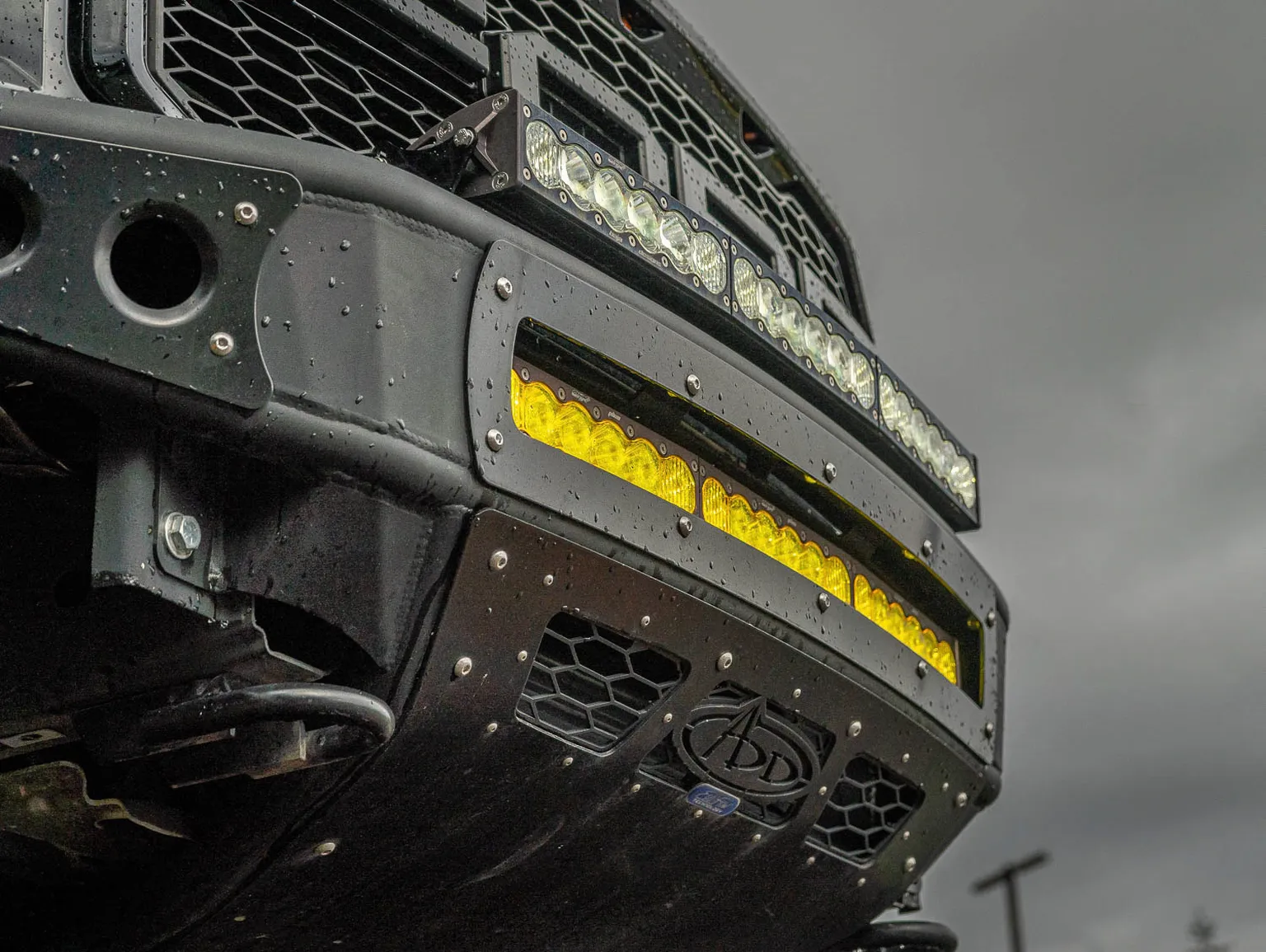
A light bar is a long housing with multiple LEDs. Bars come in a range of lengths and can mount on the roof, behind the grille, in the bumper or on the windshield frame.
Strengths: Long reach and wide coverage, and a strong rugged look.
Trade-offs: They draw more power, and a large bar can create glare in dust, fog or snow. Larger bars may add wind noise at highway speeds.
Best for: Open trails, desert driving and dark rural roads.
Ditch lights
Ditch lights mount near the A-pillars or hood hinges and aim to the sides of the vehicle. They light the shoulders of the road and trail edges, where animals and obstacles appear.
Strengths: Light the sides, which headlights miss, and help in tight turns on trails.
Trade-offs: They need solid mounting points and careful aiming.
Best for: Wooded and winding roads, and wildlife areas.
Pods and cubes
Small square or round lights that mount in bumpers, grilles or on brackets. They serve as fog lights, backup lights and supplemental forward lights.
Strengths: Flexible mounting, modest power draw and lots of beam options.
Trade-offs: A small light produces a smaller area of light, so choose the beam to match the job.
Best for: Fog and low-visibility conditions, reverse lighting and filling dark spots.
Rock lights
Small lights mounted under the vehicle or in the wheel wells that light the ground around the truck.
Strengths: Help you place tires on technical trails and make camp setup easier.
Trade-offs: Exposed to water, mud and impacts, so quality and sealing matter.
Best for: Rock crawlers, trail drivers and campsites.
Work and scene lights
Wide flood lights mounted on the rear or sides to light a work area or camp.
Best for: Job sites, camps, loading and unloading in the dark.
Upgraded headlights and fog lights
Replacing or upgrading factory headlights and fog lights improves everyday driving and may be all that some owners need. Check that any upgrade is road-legal and designed for the housing, since poorly matched bulbs can scatter light and blind other drivers.
Understanding beam patterns
Beam pattern matters more than raw brightness. A brighter light with the wrong beam can reduce visibility.
- Spot beams focus light into a narrow, long beam for distance.
- Flood beams spread light wide and close, which is ideal for work areas and slow trails.
- Combo beams mix spot and flood to balance reach and spread.
- Driving beams are a middle option, tuned for road and trail travel.
- Fog beams are low and wide with a flat cutoff, to cut glare in fog, rain and snow.
Many owners combine types: a combo bar for general use, ditch lights for the sides and pods for fog or backup.
Color temperature and glare
Light color affects how well you see and how tired your eyes get.
- Cooler white light looks bright and modern, but can reflect more in fog, dust and snow.
- Warmer or amber light cuts glare in poor conditions, and many drivers use amber lights for fog and dust.
- Glare control. Poor aiming blinds other drivers and can bounce light back at you. Aim carefully and cover lights when not in use.
Power and wiring
Lights are simple until the wiring is wrong. Good installs include these elements.
- A relay. Lights draw more current than a switch should carry. A relay protects switches and wiring.
- A fuse sized to the load, placed close to the power source.
- Correct wire gauge for the current and the length of the run.
- A dedicated switch in a convenient spot, or integration with the factory controls.
- Weatherproof connectors and routed wiring away from heat and moving parts.
- A clean power source. Draw directly from the battery with an inline fuse, or use a proper fuse panel tap, instead of splicing into unrelated wires.
Poor wiring is a common cause of flickering lights, blown fuses and, in worse cases, heat damage. For very large light setups, a second battery or upgraded charging may be needed. See our upcoming guide on dual batteries and auxiliary power.
Mounting locations
Where you mount a light affects how well it works and how it looks.
- Roof and windshield frame. Good height and reach, with more wind noise and a higher profile.
- Behind the grille. A clean, protected look, with some light blocked by the grille.
- Bumper. Low placement lights the road ahead and the edges. Many aftermarket bumpers include light mounts. See our guide to bumpers, brush guards, rock sliders and skid plates.
- A-pillar and hood hinges. The standard spot for ditch lights.
- Rear and sides. For work, backup and camp lighting.
Lighting and legal rules
Rules on auxiliary lighting vary by state and country, and they often cover where lights can be used, how many may be lit and what color is allowed.
- Off-road use only. Many high-output lights are intended for off-road use, and rules often require them to be covered or off on public roads.
- Color restrictions. Some colors are restricted on public roads.
- Mounting rules. Some states regulate height and position.
Check the rules where you drive. A covered light bar and a switch you can turn off are the simplest ways to stay on the right side of them.
How lift height affects lighting
A lifted truck sits higher, and that changes lighting in several ways.
- Aim changes. Factory headlights are aimed for stock height. A lift and larger tires can raise the beam, so headlights should be re-aimed after the build.
- Mounting position. Bumper-mounted lights sit higher, so a bumper-level beam reaches farther and can throw glare in some conditions. Choose mounting points and beam patterns with that in mind.
- Roof lights are higher still. Taller placement increases reach but also can reflect off dust and fog more readily.
- Ditch lights need re-aiming. After a lift or tire change, check that the side beams still land where you want them.
- Wiring runs lengthen. A taller truck can change cable routing and slack around suspension travel.
Weight, wind and fuel economy
Lights add small amounts of weight, but large roof bars add wind noise and drag, which can affect fuel economy at highway speeds. If you drive highways often, consider a smaller bar or a bumper or grille mount.
Sample lighting setups
These are examples, not fixed packages.
- The Daily Driver: upgraded fog lights or small pods and a clean grille-mounted light.
- The Trail Driver: combo light bar, ditch lights, and rock lights.
- The Rural Workhorse: ditch lights, rear work lights and a bumper-mounted bar for dark farm roads.
- The Overlander: roof or bumper bar, ditch lights, rear flood lights and camp lighting.
Why professional installation matters
Lights look easy to install, but wiring and aiming are where problems appear. Poor connections can cause electrical faults, a missing relay can overload a switch and badly aimed lights can blind other drivers. Modern trucks also have sensitive electronics, so power taps and switch integration need care. On a lifted build, ride height, bumper design and wiring routes add variables.
At The Lift Shop, our team installs light bars, ditch lights, pods and rock lights on lifted trucks, so everything is wired, fused and aimed correctly. Read more in our post on why professional installation beats DIY, then talk to the team about your build.
Frequently asked questions
What is the difference between a light bar and ditch lights?
A light bar throws light forward and wide. Ditch lights aim to the sides of the road to light the shoulders and trail edges.
Are off-road lights legal on the street?
Rules vary by state. Many off-road lights are intended for off-road use and must be covered or off on public roads. Check your local rules.
Is a brighter light always better?
No. Beam pattern, aim and color matter more. A very bright light with the wrong beam can reduce visibility.
Spot, flood or combo?
Spot beams reach far, flood beams spread wide and close, and combo beams balance both. Many owners mix types.
Do I need a relay and fuse?
Yes. A relay protects your switch and wiring, and a correctly sized fuse protects the circuit.
Will auxiliary lights drain my battery?
They draw power, particularly large bars. Run them with the engine on during extended use, and ask your installer if a second battery makes sense.
Do I need to re-aim my headlights after a lift?
Usually yes. A lift and larger tires change where the beams point.
Where is the best place to mount a light bar?
It depends on your truck and how you drive. Bumper and grille mounts are low-profile and quiet, and roof mounts give more reach.
Can I get lights installed before my truck ships?
Lifted Trucks offers nationwide shipping, so your build can be completed and delivered to you.
Ready to light up your build?
Explore our inventory of trucks and SUVs, or talk to The Lift Shop about the light bars, ditch lights and wiring that fit how you drive. We ship nationwide.