How high Should You Lift Your Truck? Lift Height by Use Case, from 2 to 12+ Inches
8 min read
The short answer
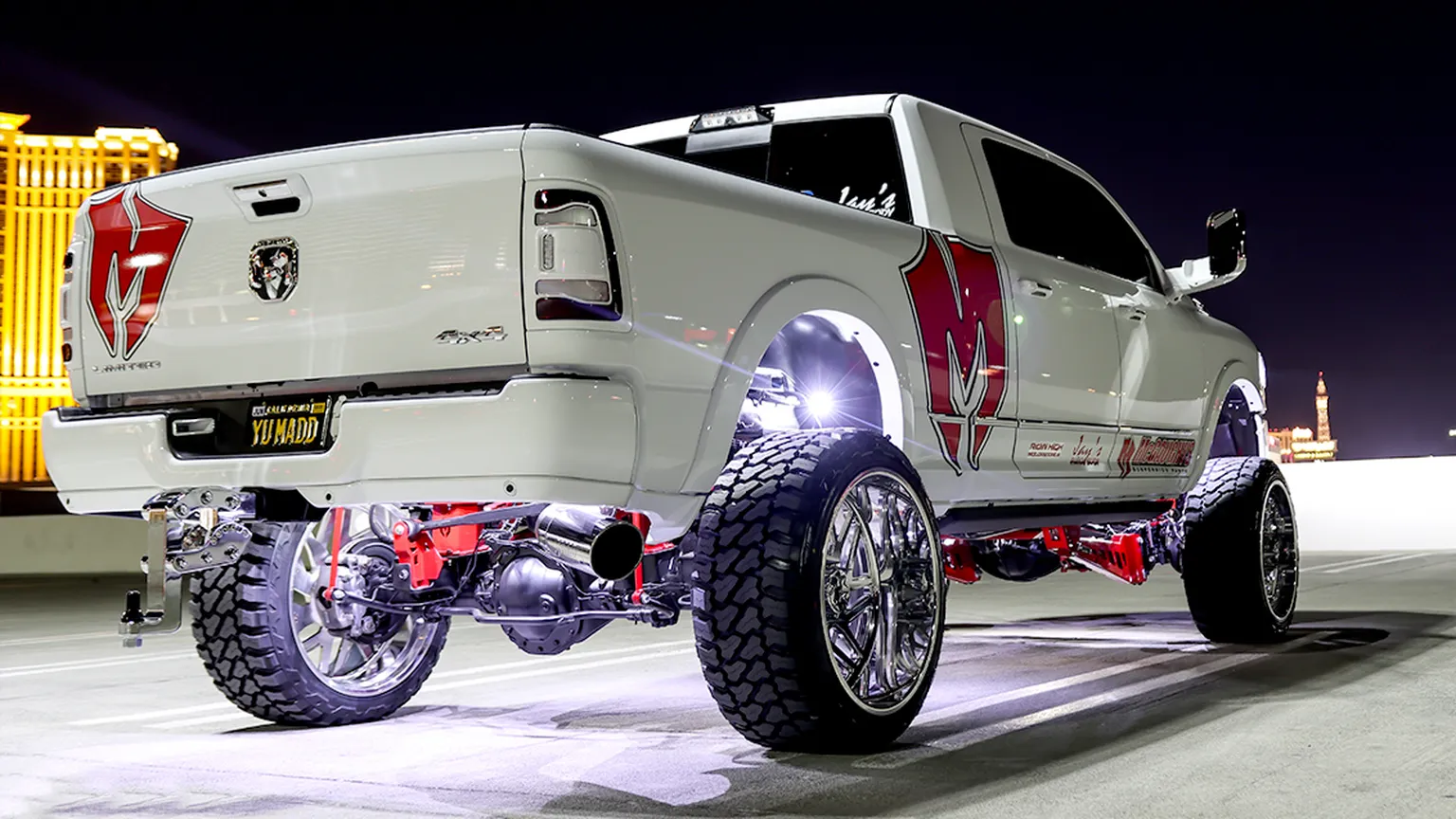
The right lift height depends on how you use the truck. 2 to 3 inches suits daily drivers who want a stronger stance and room for slightly larger tires. 4 to 6 inches is the most popular range and balances looks, capability and drivability. 7 to 9 inches is for owners who want a tall, commanding build with larger tires and are willing to accept more trade-offs. 10 to 12+ inches is a specialty build for show, extreme use or maximum presence, and it needs careful engineering. More height is not automatically better. Every added inch affects ride, handling, towing, entry height, cost and upkeep.
This guide is part of our lift series. We cover wheels and tires only where they affect lift choice, since tire size and lift height go hand in hand.
In this article
Why "how high" is the wrong first question
Most buyers start with a number. A better first question is what the truck needs to do. Ask yourself these questions before you choose a height.
- How do you drive it most days? Commuting, family duty, work, towing and trail use point to different heights.
- What tire size do you want? Lift height and tire size should be planned together. See our guide on what bigger tires really do to your drivetrain.
- Do you tow or haul? A taller truck changes hitch height, weight distribution and stability.
- Who rides along? Kids and older passengers need an easy way in.
- Where do you park and store it? Garages and parking structures have height limits.
As we explain in our post on why lift height does not equal capability, the whole system matters more than the number. A well-built 4-inch lift can outperform a poorly built 8-inch lift.
Leveling kits and 1 to 2 inch lifts
A leveling kit raises the front of the truck to match the rear, removing the factory "rake" where the front sits lower than the back.
What you get: A level stance, a little extra tire clearance and a more finished look at a modest cost and complexity.
Trade-offs: Little added off-road capability, and the tire size increase is limited.
Best for: Daily drivers, light towing and owners who want a clean look without changing how the truck drives.
Read more in our posts on leveling kits versus lift kits and on fitting larger tires with only a leveling kit.
2 to 3 inch lifts
A small lift is where many owners start.
What you get: A stronger stance, added ground clearance and room for somewhat larger tires, often in the low-to-mid 30-inch range depending on the truck.
Trade-offs: Slightly higher entry, a small change in handling and some increased wear on steering and suspension parts.
Best for:
- Daily driving and commuting, with almost no change to how the truck feels.
- Light towing, since the center of gravity barely moves.
- Families, because entry height stays manageable.
- Light trail use, such as forest roads and gravel.
Things to watch: Alignment after installation, headlight aim and whether the lift is a spacer-style or a full suspension system. Quality of components matters more than the number.
4 to 6 inch lifts
This is the most popular range, and for good reason.
What you get: A commanding look, meaningful ground clearance and room for larger tires, often 35 inches depending on the truck. It also gives suspension systems room to improve ride quality when done well.
Trade-offs: Entry is noticeably higher, and handling and braking change. Larger tires change effective gearing and can affect fuel economy.
Best for:
- Daily drivers who want a bold look with real capability.
- Weekend off-roaders and campers.
- Owners who tow moderately, with attention to hitch height and brake setup.
- Trucks that will see mixed use on pavement and trails.
Things to watch: Quality shocks, upper control arms where needed for alignment, steering components, and steps for easier entry. See our posts on the difference between a 4-inch and 6-inch lift, aftermarket upper control arms and the role of shock valving.
7 to 9 inch lifts
At this height, the build becomes a deliberate statement.
What you get: An imposing stance, room for large tires, often 37 inches depending on the truck, and strong approach and departure angles.
Trade-offs: Handling is more affected, with greater body roll and a higher center of gravity. Driveline angles become more demanding, and parts wear faster. Entry is high, and insurance, parking and garage clearance can become practical issues.
Best for:
- Dedicated trail and off-road builds.
- Show and lifestyle trucks where presence is a priority.
- Owners who accept trade-offs for the look and capability.
Things to watch: Driveline geometry, brake upgrades, steering systems, gearing for larger tires, wheel offset and a professional alignment. Steering matters a great deal at this height. Read our post on understanding steering geometry in lifted trucks.
10 to 12+ inch lifts
This is the extreme end.
What you get: The tallest stance, room for very large tires, and a one-of-a-kind look.
Trade-offs: Everyday drivability changes significantly. The center of gravity is much higher, and stability in crosswinds, on side slopes and in emergency maneuvers is reduced. Driveline, steering, braking and cooling systems usually need major changes. Entry is very high, and cost, maintenance and fuel use all rise. Some garages, drive-throughs and parking structures will not fit.
Best for:
- Show trucks and promotional builds.
- Purpose-built, specialized use by experienced owners.
- Owners who want the most dramatic stance and accept the compromises.
Things to watch: Total system engineering. Drivetrain angles, braking, steering, gearing and cooling all need attention. Also check local regulations, since many states limit vehicle or bumper height. Insurance and resale can be affected.
Lift height and daily driving
If the truck is your daily driver, lean toward the lower and middle ranges. Each step up in height adds compromises you will feel on every commute: higher entry, firmer handling and more wind noise and fuel use. A well-built 3 to 6 inch lift suits most daily drivers.
Lift height and towing
Towing and lifts can coexist, but height changes the details.
- Hitch height rises, so you will likely need a drop ball mount to keep the trailer level.
- The center of gravity is higher, which reduces stability with heavy loads and in wind.
- Larger tires change effective gearing, which can affect towing performance.
- Braking demands rise, so a properly tuned brake controller matters.
If towing is a main use, keep the lift modest and invest in suspension quality. See our post on the physics of towing with lift kits, tire size and axle ratios.
Lift height and off-roading
Height helps clearance, but it is not the whole story.
- Desert and high-speed running favors a tuned suspension with long-travel shocks over extreme height. See our post on tuning a lifted truck for desert runs versus rock crawling.
- Rock crawling benefits from ground clearance, strong approach and departure angles and protection.
- Overlanding balances capability with payload, so keep the build moderate and focus on weight.
- Mud and snow benefit from clearance and tire choice.
A taller truck is also more prone to rolling on side slopes, so skill and judgment matter.
Lift height and entry
Entry height rises with every inch. Running boards and power-deploying steps make a big difference, particularly from 4 inches up. See our guide to running boards and side steps, which covers fitment by lift height.
Lift height, tires and gearing
Lift height and tire size are linked.
- Taller lifts allow larger tires, but larger tires add weight and change effective gearing.
- Gearing may need adjustment to restore performance and protect the drivetrain at larger sizes.
- Wheel offset and backspacing affect clearance and suspension stress. See our post on how wheel offset affects suspension stress, turning radius and tire wear.
Plan the lift, wheels and tires as one package.
Lift height, accessories and weight
A taller truck with a bumper, winch, rack and tent has a very different weight and balance profile from a stock one. Heavy accessories sit higher, which raises the center of gravity. Plan accessories and lift together. See our accessories guide.
Cost, upkeep and resale
- Cost: Prices rise with height, because bigger lifts need more components and more labor. Quality parts cost more than basic kits at any height.
- Upkeep: Taller builds may need more frequent alignment, tire and suspension checks.
- Insurance and legality: Policies and local rules vary. Check with your insurer and your state before you build very tall.
- Resale: A professionally built, well-documented lift in the popular range tends to appeal to more buyers than an extreme build.
How to choose: a quick decision guide
- Mostly daily driving, light towing: 2 to 3 inches, or a leveling kit.
- Daily driver with a bold look and weekend trails: 4 to 6 inches.
- Dedicated off-road or show build: 7 to 9 inches.
- Specialty, show or extreme use: 10 to 12+ inches, with full system engineering.
- Heavy towing as a main use: keep it modest and focus on suspension and brake quality.
- Family vehicle: keep entry in mind, and plan steps.
Why professional installation matters
A lift changes geometry throughout the truck. Suspension, steering, driveline angles, brake lines, wiring and alignment all depend on correct setup. Poor installation or mismatched parts can cause vibration, uneven tire wear and unsafe handling. As the height rises, the engineering margin shrinks.
At The Lift Shop, our team builds lifted trucks at every height, so the lift, wheels, tires and accessories are matched to your truck and how you use it. Read more in our post on why professional installation beats DIY, then talk to the team about your build.
Frequently asked questions
What is the most popular lift height?
The 4 to 6 inch range is the most common, because it balances look, capability and drivability.
How tall should I lift my truck for daily driving?
Most daily drivers are happiest with a leveling kit up to about 6 inches. Higher lifts add trade-offs you feel every day.
What is the difference between a leveling kit and a lift kit?
A leveling kit raises the front to match the rear. A lift kit raises the whole truck by a set amount, usually with more components.
Can I tow with a lifted truck?
Yes. Keep the lift moderate, use a drop hitch, and make sure brakes, suspension and tires suit the load.
Will a lift hurt my ride quality?
Not necessarily. Quality shocks and a well-engineered system can improve ride quality. Poor parts and mismatched components can hurt it.
How big can my tires be at each height?
It depends on the truck, wheel offset and fender clearance. Ask your installer for a recommendation for your specific vehicle.
Is a 12-inch lift practical?
It is a specialty build with real compromises in handling, entry and upkeep. It suits experienced owners who accept them.
Are tall lifts legal?
Rules vary by state, and many limit height. Check your local regulations.
Do lifts affect insurance?
Possibly. Tell your insurer about modifications and ask how they are covered.
Can I get a lift installed before my truck ships?
Lifted Trucks offers nationwide shipping, so your build can be completed and delivered to you.
Ready to choose your height?
Browse our inventory of lifted trucks and SUVs, or talk to The Lift Shop about the lift height that fits how you drive. We ship nationwide!