Front-End and Body Protection for Lifted Trucks: Bumpers, Brush Guards, Rock Sliders and Skid Plates
6 min de lectura
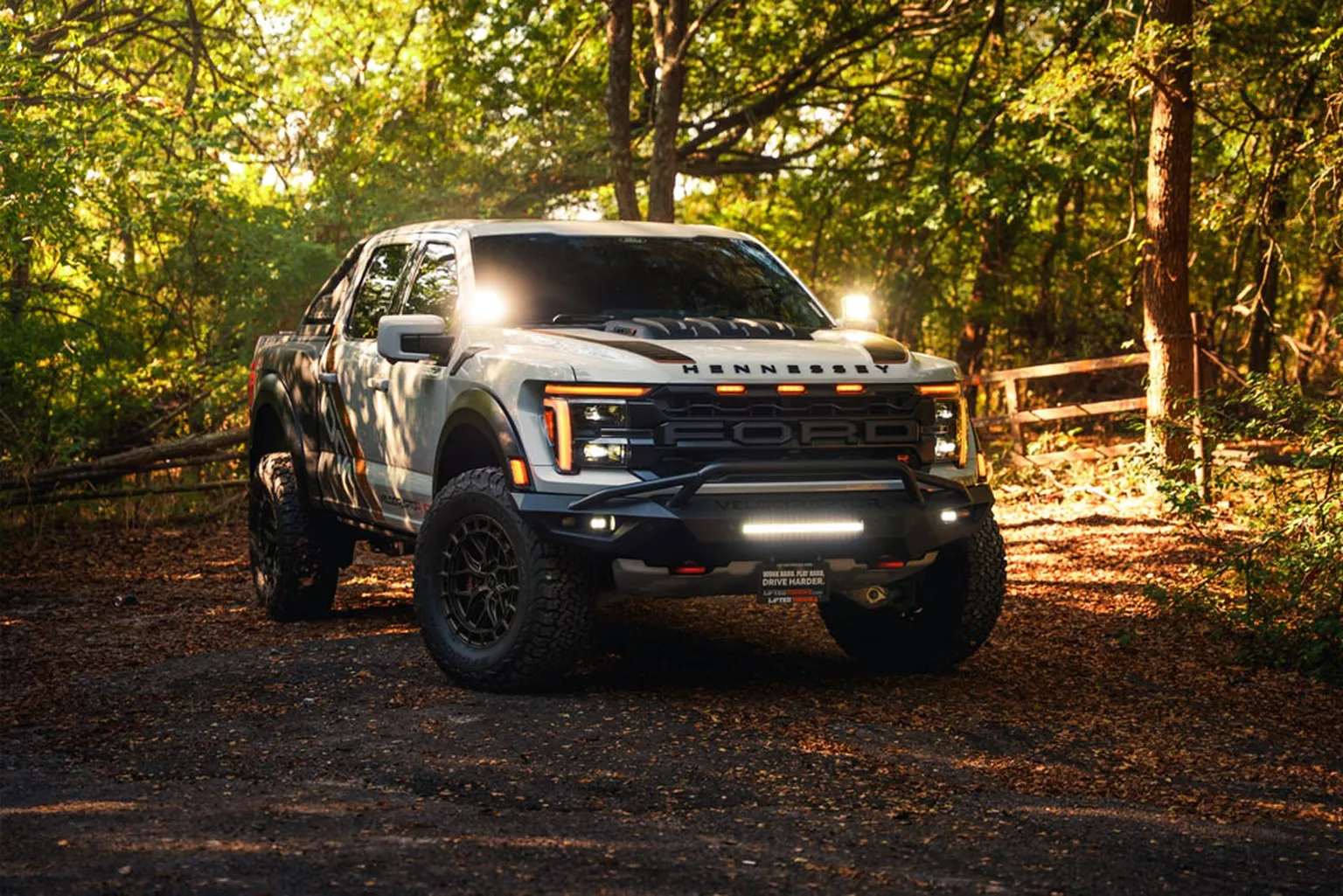
The short answer
Protection accessories shield the parts of your truck or SUV most likely to take a hit. Bumpers guard the front and rear and carry lights and winches. Brush guards protect the grille and headlights. Rock sliders protect the rocker panels. Skid plates protect the underbody. Choose by where you drive: city commuters may only want a brush guard for looks and light protection, while trail and ranch drivers benefit from the full set.
This guide is part of our accessories guide. We skip wheels, lift and tires because most Lifted Trucks builds already include them, but lift height matters a great deal for protection, and we cover it below.
En este artículo
Who needs protection accessories?
- Off-roaders and overlanders who face rocks, brush and uneven ground.
- Ranch, farm and rural drivers who deal with branches, gates, livestock and debris.
- Work crews who drive onto job sites and unimproved lots.
- Daily drivers who want a rugged look and extra front-end protection against minor impacts.
- Anyone with a lifted build, since a higher, more capable truck tends to go places where protection matters.
If you stay on pavement, protection is mostly about style and peace of mind. That is a perfectly good reason, as long as you choose accessories that do not add unnecessary weight.
Bumpers
Aftermarket bumpers replace the factory bumper with a stronger design, usually steel or aluminum. Compared with factory bumpers, they typically offer more coverage, better approach angles and added features.
What they can add:
- Mounting points for auxiliary lights.
- A winch mount with reinforcement built to carry the load.
- Rated recovery points for straps and shackles.
- Improved approach or departure angles on some designs.
Front, rear and hybrid designs: Front bumpers protect against frontal impacts and carry the winch. Rear bumpers protect the back, often add recovery points and sometimes include a tire carrier or hitch features. Some owners choose a lighter, plastic-friendly "bumper-and-guard" style for a cleaner look.
Things to consider:
- Weight. Steel bumpers add real weight up front, which affects ride height, handling and payload. Tell your installer about the whole build.
- Winch plans. If you want a winch now or later, choose a bumper designed for it. See our guide to winches and recovery gear.
- Sensors and cameras. Many modern trucks have parking sensors, radar and cameras behind the bumper. A good installer plans around them.
- Coverage versus clearance. More coverage protects more, but can reduce approach angle on some designs.
For a deeper look, read our post on aftermarket bumpers and how they elevate your lifted truck's protection and style.
Brush guards
A brush guard, sometimes called a grille guard, is a frame that mounts in front of the grille and headlights. It protects against branches, debris, small animals and minor impacts, and it gives the front of a truck a rugged look.
Common styles:
- Full grille guards cover the grille and often wrap around the headlights.
- Bull bars are lighter and cover less, usually a single tube or hoop in front of the grille.
- Light-mount guards include places to mount auxiliary lights.
Who they suit: Rural and ranch drivers, trail users who face brush, and anyone who wants front-end protection without a full replacement bumper.
Things to consider:
- Sensors and airbags. Some trucks have front sensors and crash systems that guards can affect. A professional installer checks fitment against these.
- Airflow. The guard should not restrict cooling airflow to the radiator.
- Style versus protection. A thin tube mainly adds appearance, while a heavier frame protects more.
Our earlier post explains who needs a brush guard and why. This guide builds on it.
Rock sliders
Rock sliders are strong bars or boxes that mount along the rocker panels under the doors. They take the impact when the vehicle contacts rocks, stumps or uneven ground, and many double as a step.
Who they suit: Trail drivers and overlanders who encounter rocks and uneven terrain.
Things to consider:
- Strength versus weight. Heavier-duty sliders are stronger but add weight low on the vehicle.
- Step function. Some owners use sliders as steps. If entry height is your main concern, compare them with running boards and power steps in our guide to running boards and side steps.
- Mounting. Sliders bolt to the frame or body mounts. Correct mounting is what lets them take a hit.
Skid plates
Skid plates are plates that protect the underbody components: the engine, transfer case, transmission, fuel tank and other parts that hang low.
Who they suit: Off-roaders, overlanders and anyone who drives rough, rocky or rutted roads.
Things to consider:
- Coverage. Choose plates that cover the components at greatest risk on your specific truck.
- Material. Steel is strong and heavy. Aluminum is lighter but may need to be thicker for the same protection.
- Heat and drainage. Good designs allow heat to escape and let fluids drain for service.
How lift height changes your protection choices
A lifted truck rides higher and often goes to rougher places. That changes what protection matters.
- Approach and departure angles improve with lift and larger tires. A bumper that cuts away more material can use that benefit. A bulky, low-hanging bumper can work against it.
- Underbody exposure changes. A lift raises the body, but suspension and drivetrain components can sit differently. Skid plate fitment and coverage should match the build.
- Rocker panels sit higher. Sliders and steps need brackets and positions that suit the ride height. See our post on types of lift kits for how lift choices affect the rest of the build.
- Weight shifts the ride. Heavy front bumpers and winches change how the front suspension sits, so suspension and alignment should match the final weight.
Weight and balance
Protection accessories are heavy by nature. A steel bumper, a winch, sliders and skid plates can add a lot of pounds. Before you build, add up the weight of everything and compare it to your payload rating. Heavy gear up front can compress the front suspension and change handling, so tell your installer about your plans.
Protection that fits how you drive
These are examples, not fixed packages.
- The Daily Driver: brush guard or bull bar, and a bumper-and-guard combination for style and light protection.
- The Trail Driver: front bumper, rock sliders and skid plates.
- The Ranch Workhorse: brush guard or front bumper, rear bumper with recovery points, and skid plates.
- The Overlander: winch bumper, rock sliders, skid plates and rear bumper with recovery points. See our overlanding guide for the full build.
Why professional installation matters
Protection accessories carry real loads, and a failure at the wrong moment can mean damage or injury. Bumpers have to mount to the frame correctly. Guards and bumpers need to clear sensors, cameras and airbag systems. Lights and winches add wiring that needs proper fusing and routing. On a lifted build, ride height and weight change the fit.
At The Lift Shop, our team installs bumpers, brush guards, sliders and skid plates on lifted trucks every day, so the parts are matched to your build and mounted correctly. Read more in our post on why professional installation beats DIY, then talk to the team about your build.
Frequently asked questions
Do I need a bumper and a brush guard?
Not always. A replacement bumper provides the most coverage. A brush guard is a lighter option that protects the grille and lights.
What is the difference between a brush guard and a bull bar?
A brush guard usually covers the grille and often the headlights. A bull bar is lighter and covers less of the front.
Will a front bumper affect my truck's handling?
Heavy bumpers and winches add weight up front, which can change ride height and handling. Your installer should plan suspension around the final weight.
Can I add a winch to any bumper?
No. Use a bumper designed to carry a winch. See our winch guide.
Are rock sliders worth it if I do not go off-road?
Probably not for protection, but some owners like them for appearance or as steps. Compare them with running boards.
Do skid plates affect cooling or maintenance?
Well-designed plates allow airflow and fluid access. Ask your installer about the design.
Will these accessories affect sensors and cameras?
They can. Many trucks have sensors and cameras behind the bumper. A professional installer plans around them.
Do protection accessories hurt fuel economy?
Added weight and changes to airflow can lower fuel economy slightly. Choose items for your real needs.
Can I get protection installed before my truck ships?
Lifted Trucks offers nationwide shipping, so your build can be completed and delivered to you.
Ready to protect your build?
Browse our inventory of trucks and SUVs, or talk to The Lift Shop about the bumper, guard, slider and skid plate setup that fits how you drive. We ship nationwide.