Types of Lift Kits Explained: How to Choose the Right Setup for Your Truck
9 min read
A lift kit changes how your truck looks, how it rides, and what it can do when the pavement ends. It also raises real questions. How tall is too tall? Will it still drive well on the highway? Does an off-road build need a different kit than a daily driver? The answers depend on the type of lift you choose, and there are more types than most buyers expect.
In this article
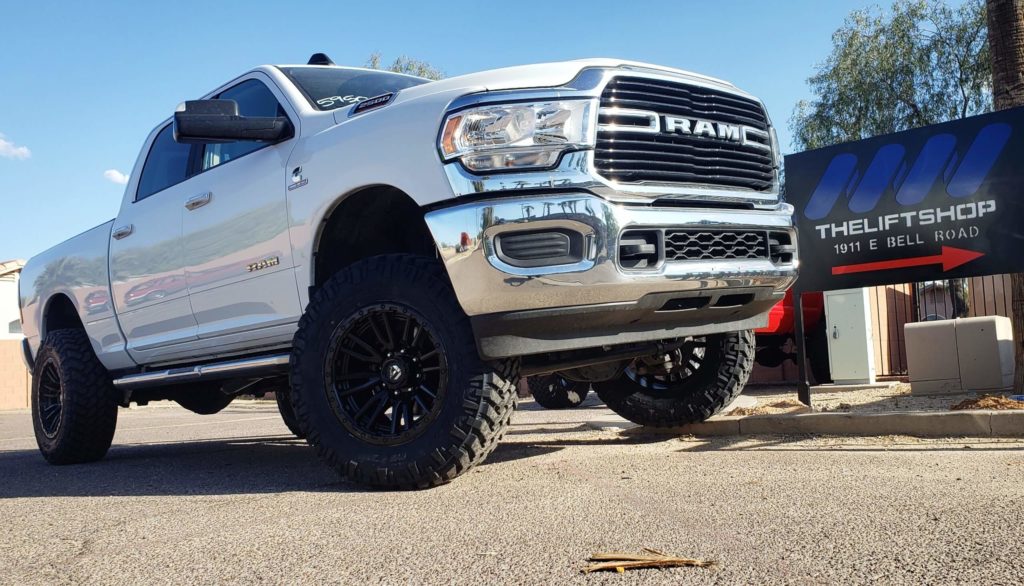
This guide walks through every major category: static lifts such as leveling kits, body lifts, and suspension lifts, plus adjustable systems such as coilovers and air suspension. We also cover how each one performs on the road and on the trail, so you can match the setup to the way you actually drive.
What a Lift Kit Actually Does
A lift kit raises the vehicle's ride height, either by spacing the body away from the frame or by changing the suspension components that hold the frame above the axles. The benefits are usually a more aggressive stance, room for larger tires, and, depending on the kit, more ground clearance and suspension travel.
Two ideas help sort the options. The first is static versus adjustable. A static lift sets the truck at one fixed height. An adjustable lift lets you change ride height, damping, or both after installation. The second is where the lift comes from. Some kits lift the body only, some lift the suspension, and some replace major suspension parts entirely. Keep both ideas in mind as you read.
Static Lift Kits
Static lifts are the most common choice. Once installed, the truck sits at a fixed height, and any change means swapping parts.
Leveling Kits
Most trucks leave the factory with the rear sitting slightly higher than the front, a difference often called rake. This comes from the way manufacturers account for the weight of cargo and trailers. A leveling kit raises the front end so the truck sits level from front to back.
On many independent front suspension trucks, a leveling kit uses spacers that sit on top of the strut or coil, or it adjusts the torsion bar keys that set front ride height. Typical front lift is in the range of one to two and a half inches, depending on the truck and the kit.
Best for: drivers who want a modest, more level stance and slightly larger tires without a major suspension project.
Keep in mind: a leveling kit raises the front but does not add rear lift, and it generally does not increase suspension travel. It is the lowest cost route to a lifted look.
Body Lifts
A body lift uses spacers, often called body mounts or pucks, to raise the cab and bed away from the frame. The suspension, axles, and frame stay where they are. Body lifts are commonly in the range of one to three inches.
Best for: owners who want extra tire clearance without changing how the suspension works.
Keep in mind: because the frame and axles do not move, a body lift adds almost no ground clearance under the vehicle. It can also leave a visible gap between the body and the frame, and some installs require adjustments to items such as bumpers, shifter linkage, or steering components.
Suspension Lift Kits
A suspension lift raises the frame relative to the axles. This is the type most people picture when they say lift kit. Depending on the truck, a suspension lift can include taller springs, longer shocks, new control arms, drop brackets, track bars, and other components that restore proper geometry at the new height.
Suspension lifts are typically grouped by height. Smaller kits fall around two to three inches. Mid-range kits commonly land between three and six inches. Taller builds can go beyond that, though they bring more complexity, more supporting parts, and more tradeoffs.
Best for: drivers who want real ground clearance, room for larger tires, and a build that can grow with future upgrades.
Keep in mind: a complete, well engineered kit matters more than height alone. Cutting corners on components can affect ride quality, handling, and tire wear.
Spacer Lifts
A spacer lift, sometimes called a coil spacer or strut spacer lift, raises the front or rear by adding a spacer to the factory spring or strut. It is closely related to the leveling kit, and it keeps the original shocks and springs in place.
Best for: budget conscious buyers who want a modest lift.
Keep in mind: the factory shock still has to work at a new height, so travel and ride quality may differ from a kit that replaces the shocks.
Replacement Spring and Leaf Pack Lifts
On trucks with leaf springs, usually in the rear, a lift can come from a taller arch, an add-a-leaf, or a full replacement leaf pack. Lift blocks between the axle and spring are another common rear solution, though they can introduce axle wrap on some applications under hard acceleration or heavy loads.
Best for: trucks that tow or haul and need rear lift that supports the load.
Keep in mind: the rear setup should be matched to the front lift, and to how you load the truck.
Adjustable Lift Kits
Adjustable systems let you change something after the kit is installed. The change might be ride height, damping, or both. They cost more and add complexity, but they offer flexibility that static lifts cannot match.
Adjustable Coilover Systems
A coilover combines a shock and a spring into a single unit. Many coilover kits include threaded collars that let you raise or lower the spring seat, which changes the ride height within a range. Some also include adjustable damping, so you can change how firmly the shock controls compression and rebound.
Best for: drivers who want to fine tune ride quality, level the truck as accessories add weight, or run a firmer setup for spirited off-road driving.
Keep in mind: coilovers need correct setup to avoid issues with alignment, droop, and component angles, and they should be adjusted with care. Higher quality units, particularly those with remote reservoirs, tend to resist heat fade better on long, rough stretches.
Adjustable Torsion Bar Systems
On many trucks with torsion bars, the front ride height can be changed by turning the torsion bar adjusters. This gives a limited, built in range of adjustment, which many owners use to level the front or add a little lift.
Best for: owners who want a simple adjustment for small changes.
Keep in mind: cranking the bars too far can hurt ride quality and affect alignment and driveline angles. Replacement keys can extend the range, but the limits still apply.
Air Suspension Systems
Air suspension replaces or supplements springs with air springs, sometimes called air bags, and uses a compressor and controller to change pressure. The driver can raise the truck for clearance or lower it for easier entry, loading, and highway efficiency. Some systems are designed to level the vehicle under load.
Best for: drivers who want a truck that is tall when they need it and lower when they do not, or who frequently tow or haul varying loads.
Keep in mind: air systems have more parts, including lines, fittings, and a compressor, and they require proper installation and routine inspection.
Adjustable Shocks and Leveling Add-Ons
Some trucks accept shocks with adjustable damping, and some kits add helper springs or air assist units to the rear. These do not raise the truck on their own, but they let you tune how the truck rides and carries weight once it is lifted.
On-Road Versus Off-Road Setups
The same lift height can feel very different depending on how the suspension is built and tuned. Here is how to think about each use.
Lift Kits for Daily Driving and Highway Comfort
If your truck spends most of its time on pavement, favor a kit that keeps the ride composed and the handling predictable. Leveling kits, moderate suspension lifts, and well tuned coilover setups are common choices. Quality shocks matter here, because they control body motion at highway speeds. Avoid going taller than you need, since added height raises the center of gravity and can affect cornering, braking feel, and crosswind stability.
For many buyers, a mid-range lift with all-terrain tires gives a strong look and comfortable daily driving.
Lift Kits for Off-Road Use
Off-road setups put more emphasis on suspension travel, shock quality, and component strength. Priorities usually include:
-
Better shocks. Larger diameter shocks, and options with remote reservoirs, hold up to repeated hard hits and long stretches of rough terrain.
-
Improved geometry. Quality kits include parts such as control arms, track bars, and drop brackets that keep angles correct at height.
-
Travel and articulation. Longer travel suspension helps the tires stay in contact with uneven ground.
-
Tire and wheel fit. A taller, wider tire needs the right wheel offset and enough clearance through the full range of steering and suspension movement.
Longer travel kits are available for some trucks and widen the track width. They offer more capability and also more cost and more setup requirements.
Lift Kits for Towing and Hauling
Trucks that carry weight need a kit that supports it. Rear leaf packs, helper springs, and air assist options can help maintain ride height under load. A lift can change how a truck handles with a trailer, so test the combination and check weight ratings. [CONFIRM how Lifted Trucks advises on towing after a lift.]
Quick Comparison
| Lift Type | Typical Lift | Adjustable? | Adds Ground Clearance? | Best Use |
|---|---|---|---|---|
| Leveling kit | About 1 to 2.5 in. front | Sometimes | Slight | Level stance, larger tires |
| Body lift | About 1 to 3 in. | No | Minimal | Tire clearance, budget builds |
| Suspension lift | About 2 to 6 in. and up | Varies | Yes | Looks plus off-road capability |
| Spacer lift | Modest | No | Slight | Budget leveling |
| Adjustable coilovers | Varies by kit | Yes | Yes | Tuning ride and height |
| Air suspension | Varies by system | Yes | Yes | On-demand height, towing |
Heights vary by truck, kit, and installation. Confirm the exact numbers for your model before you buy.
What to Think About Before You Lift
A lift affects more than ride height. Plan for these items from the start:
-
Tires and wheels. Larger tires may require different wheels, offset, and fender clearance. They also change speedometer accuracy, so recalibration is often needed.
-
Gearing. Taller tires can reduce acceleration and fuel economy, and some owners re-gear the axles to restore performance.
-
Alignment. A professional alignment after installation helps protect tire life and steering feel.
-
Driveline and brake components. Some lifts need extended brake lines, driveshaft changes, or other supporting parts.
-
Driver assistance features. Many modern trucks use cameras and sensors that may need recalibration after a change in ride height.
-
Warranty. Aftermarket suspension changes can affect factory coverage in some situations. Lifted Trucks provides a lifetime lift kit warranty on all the trucks we build (Lifted for Life Program).
-
Local regulations. Laws on vehicle height, bumper height, and headlight position vary by state, so check the rules where you drive.
How to Choose the Right Lift Kit
Start with the way you use the truck. If you commute and tow, prioritize ride quality and load support. If you wheel on weekends, invest in shocks and geometry first, then add height. If you simply love the look, a leveling kit or a moderate suspension lift can deliver it with less compromise.
Next, set a realistic budget that includes the whole project, not just the kit. Tires, wheels, alignment, and calibration often add up. Finally, work with a team that installs lifts every day. The right choice depends on your exact truck, and experienced technicians can recommend a setup that fits your goals.
Frequently Asked Questions
What is the difference between a leveling kit and a lift kit?
A leveling kit raises the front end to match the rear. A lift kit typically raises the entire truck and usually offers more height and, in many cases, better ground clearance.
Is a body lift or a suspension lift better?
It depends on the goal. A body lift helps fit larger tires but adds almost no ground clearance. A suspension lift raises the frame relative to the axles and improves clearance.
What is an adjustable lift kit?
It is a system, such as adjustable coilovers or air suspension, that lets you change ride height or damping after installation.
Will a lift kit ruin my ride?
A well designed, properly installed kit with quality shocks can ride very well. Poor parts or a mismatch between the kit and the truck's use are what cause problems.
How tall should I lift my truck?
Choose the height that fits your tire size, your driving, and your budget. Taller lifts add cost and complexity, so more is not always better.
Explore Lift Kits at Lifted Trucks
Ready to move from research to a build? Explore the Lift Shop and our lift kit options to find a setup for your truck. Explore our used inventory for trucks that are already lifted, and ask about financing to fit the build into your budget. We offer nationwide shipping, so you can get your next truck delivered wherever you are.