
Winter Driving Guide for Lifted Trucks: Safety, Traction & Maintenance Tips
Winter Driving Guide for Lifted Trucks: Safety, Traction & Maintenance Tips
Winter driving is not the same for every region of the greater USA, yet there are many similarities regardless of where you live or regularly drive. For lifted trucks, drivers must take extra precautions and drive with care. Lifted Trucks, America's number one custom truck dealer, knows what you need to do to prepare for winter driving of any kind. Follow our guide and reach out with any questions today.
Inspect Your Lifted Truck Before Major Storms & the Cold Hit
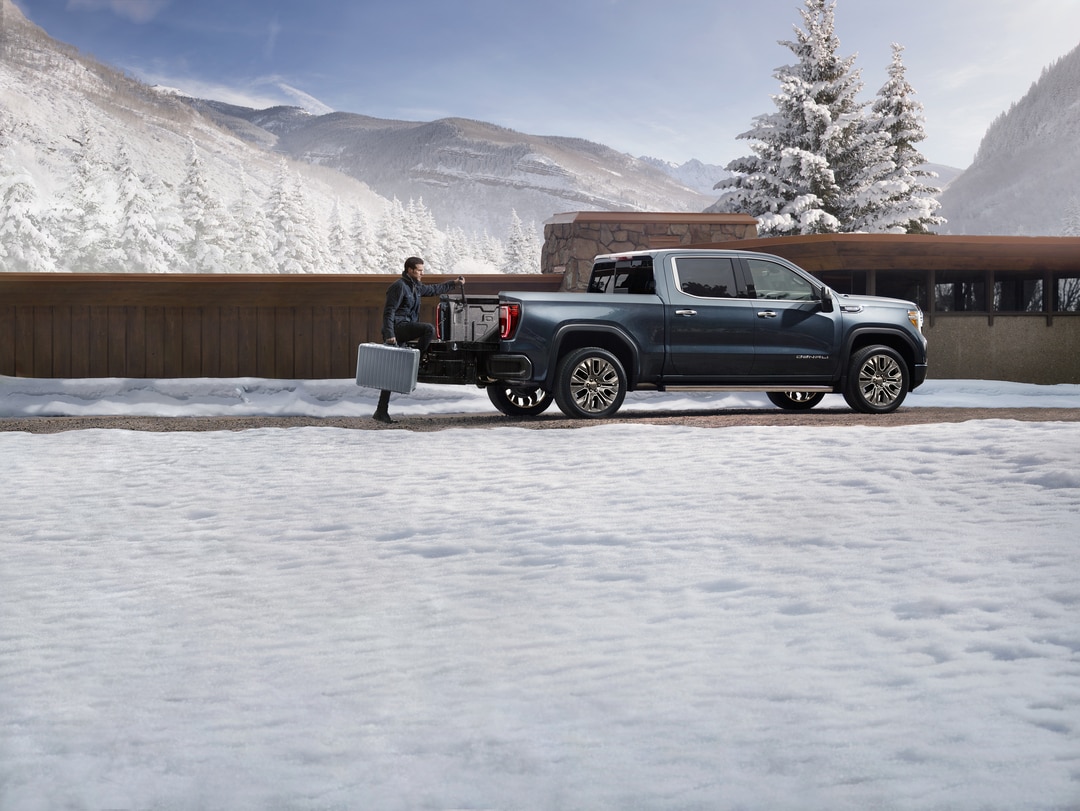
The first thing any driver should do is inspect their lifted truck before any serious winter conditions hit. Whether those conditions are snow, ice, sleet, or just low cold temperatures, inspecting your truck is crucial to understanding how ready you are for the winter. Check components like your battery, fluid levels, brakes, engine, steering wheel feedback, etc. - basically anything that contributes directly to how your lifted truck handles and drives.
Slow Down in Winter Conditions
While severe winter conditions often miss states like Texas, Florida, and Alabama, many drivers can still experience some icy or snowy roads. When you know ice or snow is on the road, slow down and avoid slamming on the brakes. Taking your time will improve traction.
Keep Your Driving Habits in Mind
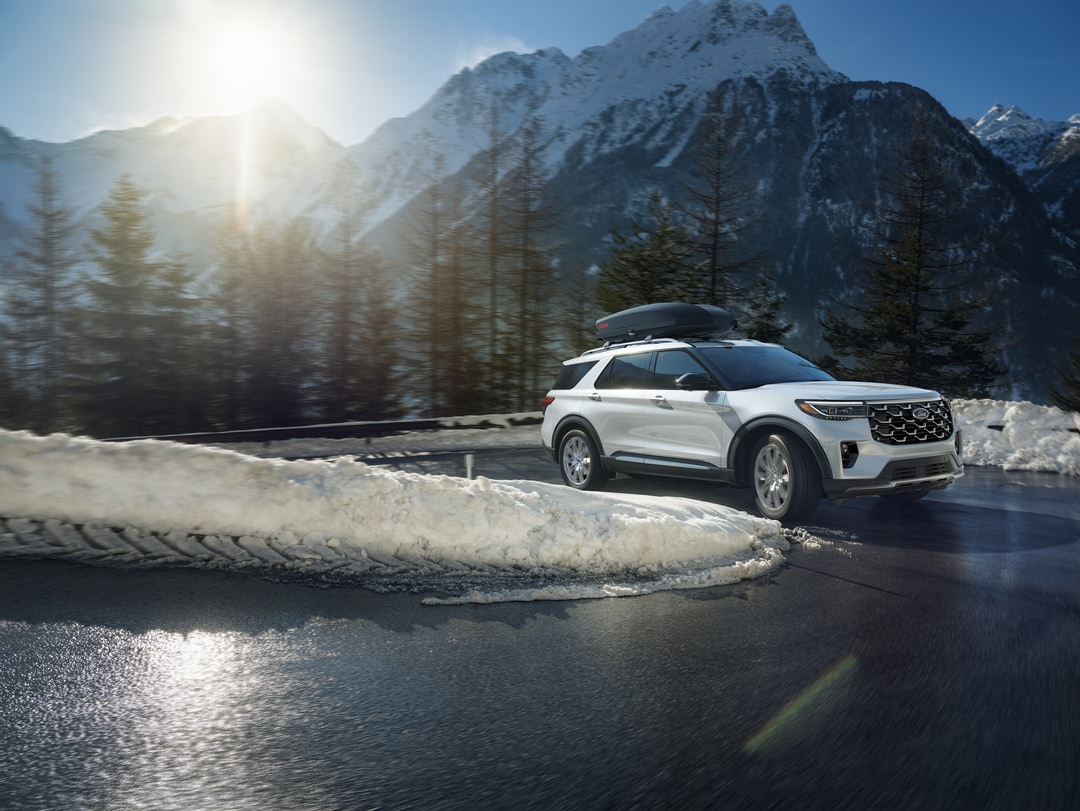
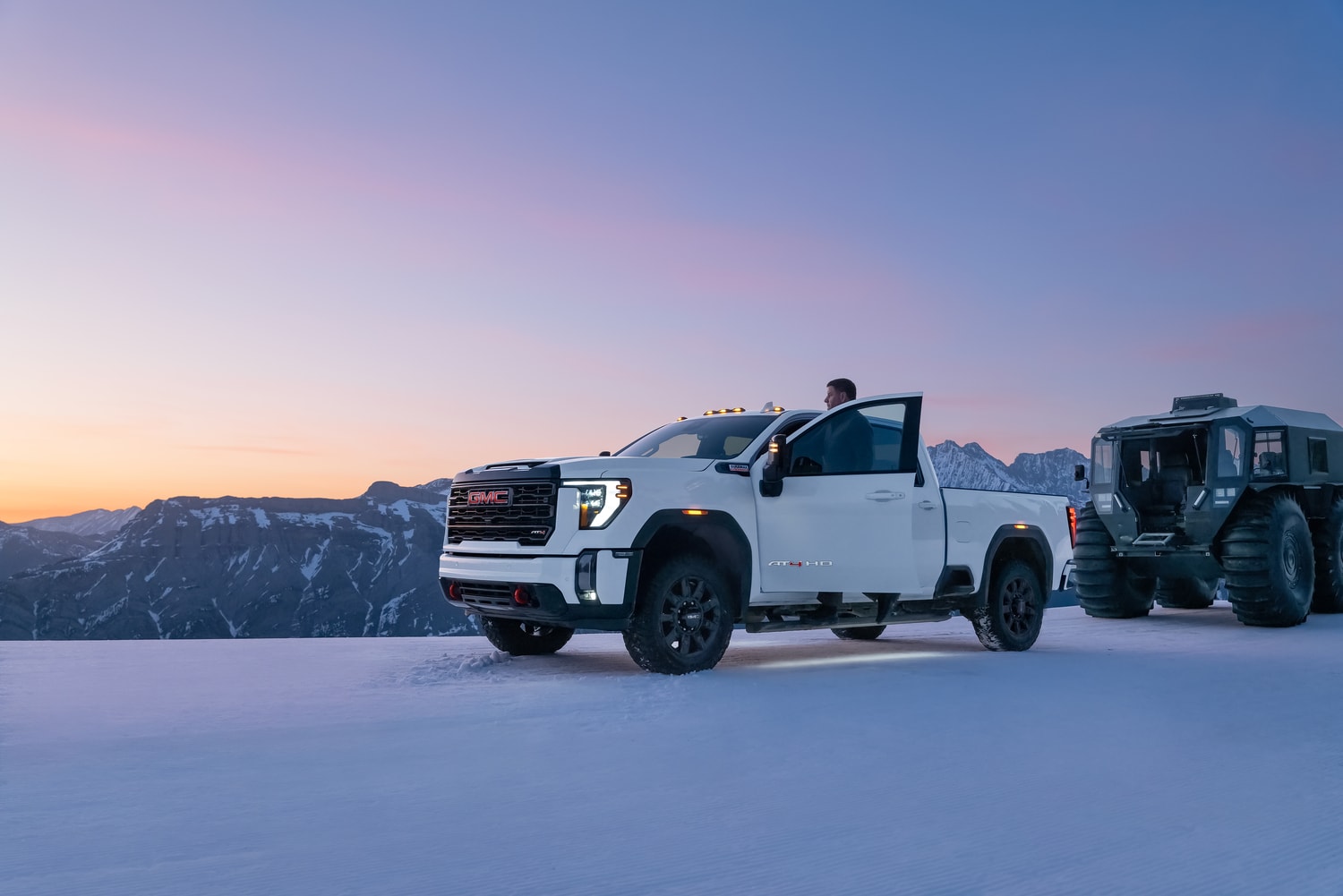
As a lifted truck driver, your driving habits will be different from those of truck drivers with no lift kit - trust our expertise on lifted trucks on this one. How you drive your lifted truck can leave it more worn down than you may expect; this is also due to the extra strain the lift kit puts on it. So, when winter conditions arrive, consider driving a little differently.
How to Make Your Lifted Truck Ready for Winter
Regardless of whether you live in California, Arizona, or another nearby state, there are ways to make your lifted truck winter-ready. They are as follows:
Install Winter Tires: Winter tires are an easy, but sometimes expensive, way to ensure your lifted truck is ready for the winter. While M+S (mud and snow) tires are great for milder conditions, also consider 3PMSF tires, which are tested for greater reliability and exceptional traction.
Consider Tire Chains: Tire chains give your truck extra traction. While many drivers around Texas, Florida, and Arizona do not necessarily need tire chains, they are a great help during sudden snow or rainstorms.
Add Block Heaters: Block heaters are another item that can help. They keep your engine warm before starting up, ensuring extreme cold can't damage or affect the engine.
Include Fuel Additives for Diesel Trucks: If your lifted truck runs on diesel, consider adding fuel additives. Fuel additives improve performance, clean systems, and help stabilize your engine temporarily, ideal for colder months.
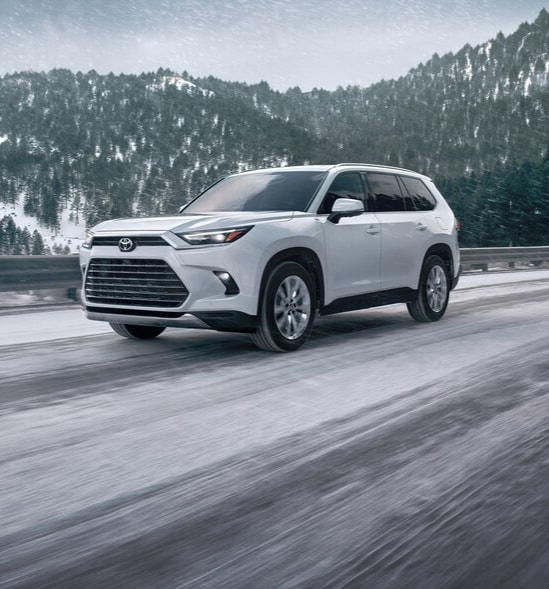
Why Lifted Trucks Are Great for Snowy Conditions
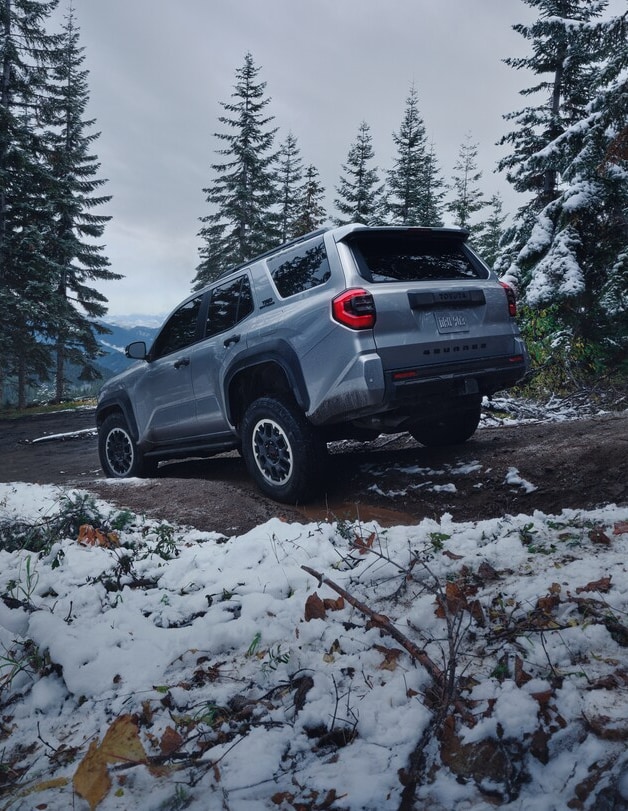
Lifted trucks are already great for colder, snowy conditions. This is due to a few factors that give lifted trucks a natural advantage over non-lifted vehicles. They are:
Better Traction: Lifted trucks typically come with larger, rugged tires that offer superior traction, offering the ultimate grip no matter the terrain.
Higher Ground Clearance: A higher ground clearance makes it easier to overcome snow that piles up, or any other obstacle on the roads and trails in front of you. This means you can worry less about getting stuck.
Improved Visibility: A higher ride height means you can see more, including potential hazards like ice, patches of snow, rocks, and random litter on the highways.
Great Off-Road Capability: Lifted trucks offer greater off-road capabilities all around, meaning you can rely on them for any adventure off the beaten path.
Contact Lifted Trucks for More Advice
Do you want to know how else you can prepare and stay safe on the winter roads with your lifted truck? Contact our expert team today. We can walk you through parts and accessories you can purchase to improve your lifted truck for severe conditions, and tell you how to maintain your vehicle. We cannot wait to hear from you.
Make an Inquiry
* Indicates a required field
