Most Reliable Used Diesel Trucks: Best Years to Buy by Engine
5 min de lectura
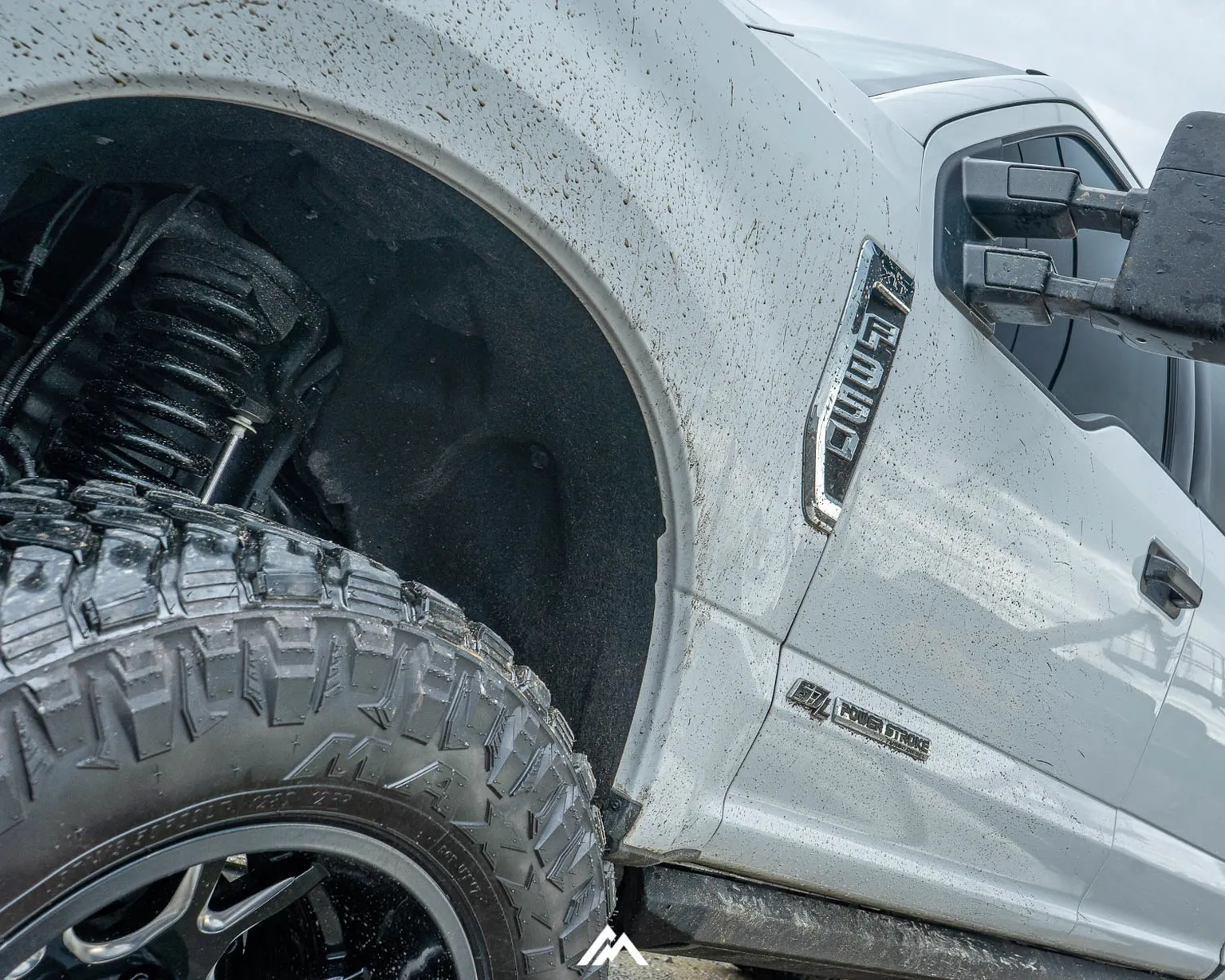
The short answer: Start by comparing the 2017–2019 Duramax L5P with its six-speed Allison, 2020-and-newer GM HD diesels with a ten-speed, 2017–2019 Power Stroke trucks with a six-speed, and 2020-and-newer diesel Super Duty trucks with a ten-speed. For Cummins, distinguish the 2013–2018 generation, 2019–2024 standard-output and Ram 3500 High Output configurations, and the redesigned 2025 powertrain. These are useful equipment milestones, not proven reliability rankings. Choose the truck with documented maintenance, completed applicable recalls and enough capacity for your loaded trailer.
En este artículo
What makes a used diesel reliable?
Model year narrows the equipment you are buying; it cannot establish the condition or remaining life of a used truck. Manufacturer specifications confirm engine changes, transmissions and capacity, but the sources cited here do not establish a cross-brand failure-rate ranking or a guaranteed lifespan. Compare service records, diagnostic results, emissions-system condition, corrosion and previous use. A newer or more powerful engine is not automatically the more reliable purchase.
Model years and powertrain changes to compare
For Chevrolet Silverado HD and GMC Sierra HD pickups, the L5P 6.6L Duramax arrived for model year 2017 with 445 hp and 910 lb-ft. The 2017–2019 trucks used the Allison 1000 six-speed; the 2020 HD redesign paired the diesel with an Allison ten-speed. GM increased pickup diesel output to 470 hp and 975 lb-ft for 2024. That makes 2017–2019 and 2020–2023 useful shopping groups, with 2024-and-newer trucks offering higher output. It does not prove that one group has fewer failures. Confirm the engine code, actual transmission and maintenance history rather than relying on a Duramax badge. GM’s 2017 L5P introduction bulletin, GM’s 2017–2019 powertrain notes, 2020 GMC specifications and Chevrolet’s 2024 HD announcement.
Ford introduced the 6.7L Power Stroke for model year 2011. Ford’s 2015 Super Duty brochure documents a larger turbocharger. The 2017 chassis and body redesign is a useful shopping boundary; its diesel was rated at 440 hp and 925 lb-ft with a six-speed TorqShift. For 2020, diesel Super Duty pickups gained the ten-speed TorqShift and 475 hp/1,050 lb-ft. Compare 2017–2019 and 2020-and-newer trucks for those equipment differences, without treating either group as a manufacturer-certified reliability winner. Ford engine history, Ford’s 2015 brochure, 2017 towing guide and Ford’s 2020 specifications.
For Ram 2500/3500 pickups, model year 2013 brought DEF-based selective catalytic reduction. The 2013–2018 range is therefore an emissions-equipment generation, not evidence of superior reliability. For 2019, Cummins offered 370 hp/850 lb-ft in standard-output form and 400 hp/1,000 lb-ft in the High Output version. The 1,000-lb-ft HO configuration was for the Ram 3500 with the Aisin AS69RC six-speed; standard-output trucks used the 68RFE six-speed. Do not apply the HO specification to every 2500 or 3500. For 2025, Ram introduced the 430-hp/1,075-lb-ft Cummins with a TorqueFlite HD eight-speed on both pickup series, a separate powertrain generation. Confirm the exact engine, transmission and recall history before choosing. Ram’s 2013 brochure, Cummins’ 2019 specifications, Ram’s 2019 transmission details and Ram’s 2025 powertrain announcement.
What to compare if you tow regularly
Start with the truck’s certification label for GVWR and axle ratings, and its Tire and Loading Information label for occupant-and-cargo capacity. These labels do not ordinarily give its maximum trailer weight. Use the manufacturer’s towing guide for the exact model year, engine, cab, bed, drivetrain, axle ratio and hitch type; confirm factory equipment by VIN. Passengers, cargo, hitch hardware and accessories consume payload, and trailer tongue or pin weight must fit within the remaining allowance. Check actual loaded truck and axle weights, GCWR, hitch limits and tire capacity as well as the trailer rating. A lift or larger tires do not increase factory weight ratings. Ford towing guides and Chevrolet trailering guidance. Ask for transmission-service records and inspect the cooling system, exhaust brake, trailer brake controller, hitch installation and wiring. Heavy towing history makes maintenance documentation particularly useful; it does not by itself establish damage.
Used diesel inspection checklist
Begin with service records and compare them with the exact model-year diesel maintenance schedule, including any special instructions for towing, extensive idling or dusty use. Confirm the specified oil, fuel-filter, coolant and transmission services. Have a diesel-qualified technician scan for diagnostic faults, inspect emissions hardware and assess evidence of recent code clearing. DPF regeneration, EGR and SCR/DEF operation should be evaluated where fitted; no warning light by itself is proof of a healthy system. Check cold-start behavior in the actual ambient conditions, unusual smoke, leaks, coolant condition, turbo plumbing and drivetrain operation. Conduct an authorized road test within the truck’s ratings; a loaded test is not a substitute for diagnosis. Inspect frame corrosion, steering, suspension, brakes, tire wear and any lift installation. Ask for modification records and assess their effect on the specific systems rather than assuming any non-OEM part voids the entire warranty.
Lifted Trucks describes an 82-point inspection covering body, paint and windshield condition, safety equipment, tires, brakes, suspension and leaks, followed by a road test. Ask for the specific vehicle’s report and any additional diesel diagnostic findings; the published overview does not establish that every fuel-system or emissions test is included.
Common mistakes buyers make
A common mistake is treating horsepower, model-year reputation or a brand badge as a reliability guarantee. Another is accepting missing maintenance records or assuming a vehicle-history report is a mechanical inspection. Check the VIN for open safety recalls and ask the manufacturer or dealer about emissions campaigns, service actions and completed repairs. For example, certain 2019–2020 Ram HD diesels were covered by high-pressure fuel-pump recall Y78, and Cummins identifies 2013–2018 Ram 2500/3500 diesels for emissions recall 67A. Applicability and completion must be checked for the actual VIN; these examples are not a complete recall list. Price the truck’s condition and repair needs before paying extra for accessories.
Why shop used diesels at Lifted Trucks
Explore used diesel trucks from Ford, Ram, Chevrolet and GMC at Lifted Trucks. Its published process includes an 82-point inspection and professional customization services. We ship nationwide. Explore our diesel truck inventory and compare platforms side by side. For help choosing between engines, read How to Choose Between Power Stroke, Cummins, and Duramax Based on Your Lifestyle.
FAQ
What is the most reliable used diesel truck?
No universal winner is established by the manufacturer specifications used here. The L5P’s 2017 introduction, Ford’s 2020 diesel ten-speed change, and Ram’s 2019 and 2025 powertrain changes are useful comparison points. Maintenance, inspection findings, recall completion and suitability for your trailer determine the better individual purchase.
Which used diesel years should I avoid?
Do not reject or approve every truck from a model year without checking the exact configuration. Investigate missing service records, diagnostic faults, emissions-system alterations, corrosion and incomplete recalls. Verify any specific “bad year” claim against a documented defect or campaign and the vehicle’s VIN.
What should I check before buying a used diesel truck for towing?
Rated towing and payload for that exact truck, axle ratio, drivetrain, transmission service history, emissions system condition and hitch setup.