35S VS 37S VS 40S: WHAT YOU REALLY NEED (NOT WHAT LOOKS COOL ON INSTAGRAM)
When it comes to lifted trucks, tire size is one of the biggest decisions you will make.
35s, 37s, and 40s each bring a completely different look, feel, and performance profile. On social media, bigger always seems better. Massive tires, towering stance, aggressive builds that dominate the screen.
But what looks good online is not always what works best in the real world.
Choosing the right tire size is about how you actually plan to use your truck. Get it right, and you will love driving it every day. Get it wrong, and you may end up with a truck that feels impractical, uncomfortable, or expensive to maintain.
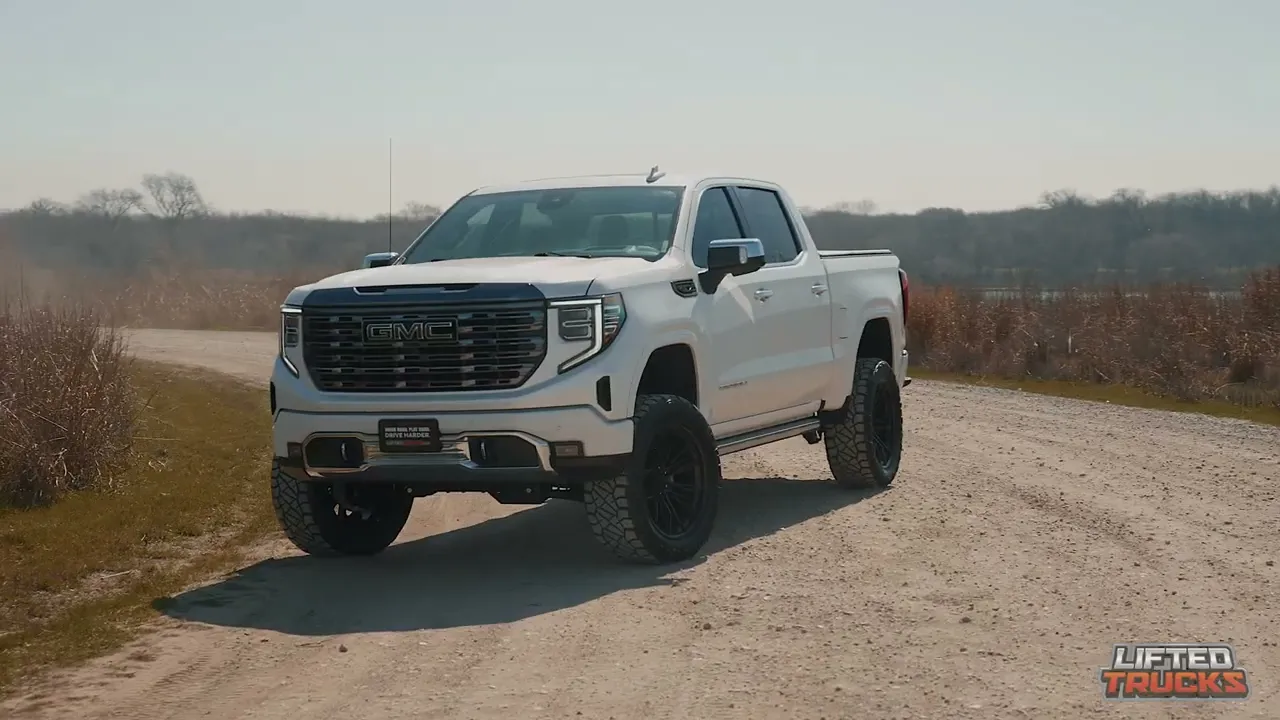
This is how to decide what you really need.
WHAT 35S ARE ALL ABOUT
35-inch tires are the sweet spot for most truck owners.
They deliver a noticeable upgrade in stance and capability without dramatically changing the driving experience. For many people, 35s offer the perfect balance between daily usability and off-road performance.
With 35s, you can expect:
Improved ground clearance over stock
A more aggressive look without going over the top
Minimal impact on ride quality when properly built
Better fuel efficiency compared to larger tire sizes
Less strain on drivetrain components
35s typically require fewer supporting modifications, making them more cost-effective and easier to live with long term.
If your truck is primarily a daily driver with occasional off-road use, 35s are often the smartest choice.
WHAT 37S BRING TO THE TABLE
37-inch tires step things up in a big way.
They offer a more commanding presence and significantly improved off-road capability. This is where trucks start to feel purpose-built rather than simply upgraded.
With 37s, you get:
Substantially more ground clearance
Better performance over rocks, ruts, and uneven terrain
A more aggressive, high-end custom look
Stronger visual impact without going extreme
However, 37s come with trade-offs.
They typically require:
A higher quality suspension system
Proper gearing considerations
Upgraded components to maintain drivability
More attention to alignment and steering setup
When done correctly, 37s can still drive extremely well on the road while offering serious off-road capability.
This is the choice for buyers who want the best of both worlds and are willing to invest in doing it right.
WHAT 40S REALLY MEAN
40-inch tires are in a category of their own.
These are not just upgrades. They are statements.
A truck on 40s has an undeniable presence. It stands taller, looks more aggressive, and commands attention anywhere it goes. But this level of build is not for everyone.
With 40s, you gain:
Maximum ground clearance
Extreme off-road capability
A show-stopping, head-turning appearance
But the trade-offs are real and significant.
Running 40s typically requires:
Extensive suspension upgrades
Possible drivetrain reinforcement
Gearing changes
Higher cost of ownership
Reduced fuel efficiency
A more specialized driving experience
This is not the ideal setup for most daily drivers. It is best suited for enthusiasts who prioritize performance, presence, or both, and understand what comes with it.
THE REAL COST DIFFERENCE
As tire size increases, cost does not rise linearly. It jumps.
Moving from 35s to 37s brings moderate increases in cost. Moving from 37s to 40s can significantly increase the total build investment.
Costs to consider include:
Tires and wheels
Suspension components
Labor and installation
Maintenance over time
Fuel consumption
Choosing a larger tire without properly supporting it is one of the most common mistakes buyers make.
Bigger only works when the entire build supports it.
DAILY DRIVING VS REAL-WORLD USE
This is where most people make the wrong decision.
Ask yourself:
How often will I truly go off-road
What type of terrain will I encounter
How important is ride comfort
How much highway driving do I do
If your truck spends most of its time on pavement, going too large can actually reduce your enjoyment of the vehicle.
If you regularly push your truck off-road, larger tires may be worth it.
The key is alignment between your lifestyle and your build.
WHAT LOOKS GOOD VS WHAT WORKS BEST
There is no question that 40s look incredible.
But the best build is not the one that gets the most likes. It is the one that fits your life.
A properly built truck on 35s can outperform a poorly built truck on 40s in almost every real-world scenario.
A well-executed 37-inch setup often delivers the perfect balance of style, performance, and drivability.
The goal is not to go as big as possible. The goal is to build something that works.
THE LIFTED TRUCKS APPROACH
At Lifted Trucks, every build is designed with purpose.
Tire size is not chosen just for appearance. It is matched to the platform, the suspension system, and the intended use of the vehicle.
This ensures:
Better ride quality
Stronger long-term reliability
Improved overall performance
A more refined driving experience
Whether it is 35s, 37s, or 40s, the difference comes down to how the truck is built.
THE BOTTOM LINE
35s, 37s, and 40s all have their place.
35s offer practicality and balance
37s deliver capability and presence
40s provide maximum impact and performance
There is no one-size-fits-all answer. There is only what fits your lifestyle, your goals, and your expectations.
If you choose the right setup and have it built properly, you will end up with a truck that looks incredible and drives the way it should.
Explore the massive inventory at Lifted Trucks and find the build that fits you best.