

Why Vehicle Versatility Is the New Luxury
For years, luxury in the automotive world was defined by leather seats, badge prestige, and the quiet comfort of a highway commute. But buyer priorities have changed. Today’s shoppers are less impressed by what a vehicle looks like parked in the driveway and far more interested in what it allows them to do once they leave it. That shift has created a new definition of luxury, one built around freedom, flexibility, and preparedness. In today’s market, versatility is the new luxury.
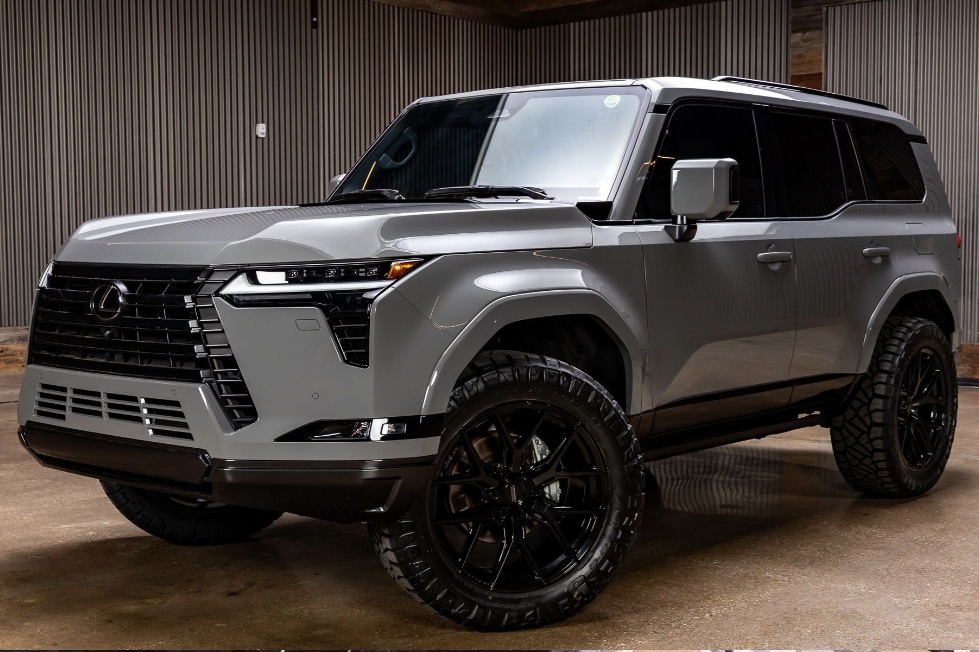
Luxury used to mean specialization. Sedans were built for comfort and efficiency. Minivans were built for family logistics. Crossovers were built to feel like a compromise between car-like manners and light utility. Trucks and full-size SUVs, on the other hand, were once seen as niche tools for work or recreation. That line no longer exists. Modern trucks and SUVs deliver refinement, technology, safety, and comfort that rivals traditional luxury vehicles, while offering something those vehicles never could: the ability to adapt to life as it evolves.
The modern buyer wants one vehicle that can handle multiple roles without feeling out of place in any of them. They want to commute comfortably during the week, haul gear on the weekend, handle unexpected weather without stress, and still feel confident taking a road trip with family or friends. Versatility isn’t about extreme use cases; it’s about removing limitations. When your vehicle can do more than you ask of it, daily life becomes easier, not harder.
One of the biggest misconceptions among shoppers coming from sedans or crossovers is that they’re paying for capability they’ll never use. In reality, versatility pays dividends precisely because it’s there when you need it. You may not tow every day, but when you do, you’re covered. You may not load the bed weekly, but when a project comes up, you don’t have to borrow a vehicle or rent one. You may not drive off-road often, but better ground clearance, suspension travel, and traction systems make everyday driving more confident in rain, snow, construction zones, and poorly maintained roads.
This is where trucks and true SUVs quietly outperform their car-based counterparts. They’re designed from the ground up to handle weight, stress, and irregular use. Frames, drivetrains, brakes, cooling systems, and suspensions are engineered for durability and margin. That margin is what creates peace of mind. When a vehicle is operating well within its design envelope, it feels relaxed, stable, and confident. That feeling is luxury, even if it doesn’t come with a premium badge.
Versatility also translates directly into long-term value. Vehicles that can serve multiple purposes tend to stay relevant longer. Owners don’t outgrow them as quickly, which reduces the pressure to trade in prematurely. When life changes, whether that means a growing family, new hobbies, business needs, or relocation, a versatile truck or SUV adapts instead of forcing a replacement. That adaptability protects resale value and lowers total cost of ownership over time, even if the initial purchase price is higher.
Interior versatility matters just as much as capability. Modern trucks and SUVs offer cabin layouts that comfortably handle passengers, pets, cargo, and gear without constant compromise. Fold-flat seating, configurable storage, and real-world space make daily errands, travel, and family logistics easier. You’re not constantly playing Tetris with strollers, groceries, sports equipment, or luggage. Everything fits, and it fits without stress.
Another reason versatility has become the new luxury is emotional, not mechanical. Owners consistently report higher satisfaction with vehicles that enable spontaneity. When you don’t have to think about whether your vehicle can handle a situation, you’re more likely to say yes. Yes to a last-minute road trip. Yes to helping a friend move. Yes to hauling something home instead of scheduling a delivery. That freedom compounds over time and becomes part of how people experience ownership, not just transportation.
Importantly, this shift isn’t about excess. It’s about efficiency of ownership. A versatile truck or SUV often replaces the need for multiple vehicles. Instead of owning a commuter car and occasionally renting or borrowing for larger tasks, owners consolidate into one capable platform. That consolidation simplifies insurance, maintenance, storage, and mental overhead. Fewer vehicles, fewer compromises, more capability. That’s modern luxury thinking.
For shoppers comparing sedans, crossovers, and minivans, the appeal of trucks and SUVs isn’t about image. It’s about optionality. Crossovers feel practical until you push their limits. Sedans feel refined until conditions change. Minivans solve a very specific chapter of life exceptionally well, but struggle outside of it. Trucks and true SUVs, by contrast, stretch across chapters. They don’t ask you to predict your future perfectly. They simply give you room to adapt.
At Lifted Trucks, we see this realization happen every day. Customers rarely come in asking for “luxury.” They come in asking for confidence, durability, comfort, and flexibility. They want a vehicle that works just as well for daily life as it does for the moments that matter. When those needs are met correctly, the luxury becomes obvious without being forced.
The vehicles that stand the test of time are almost always the ones that remove constraints instead of adding them. In today’s market, that’s what luxury looks like. Not excess. Not flash. Versatility.
If you’re ready to move beyond category limitations and into a vehicle that grows with your life, explore our inventory of top tier trucks and SUVs. The right vehicle doesn’t just get you where you’re going, it expands where you can go next.
Categories:
Pre-Owned Inventory
