
One of the most defining visual and performance characteristics of any lifted truck is its stance. The aggressive, planted look of a properly built lifted truck is not an accident. It is the result of precise engineering decisions involving wheel offset, backspacing, suspension geometry, and tire fitment. Understanding these concepts is essential for anyone considering buying, building, or owning a lifted truck.
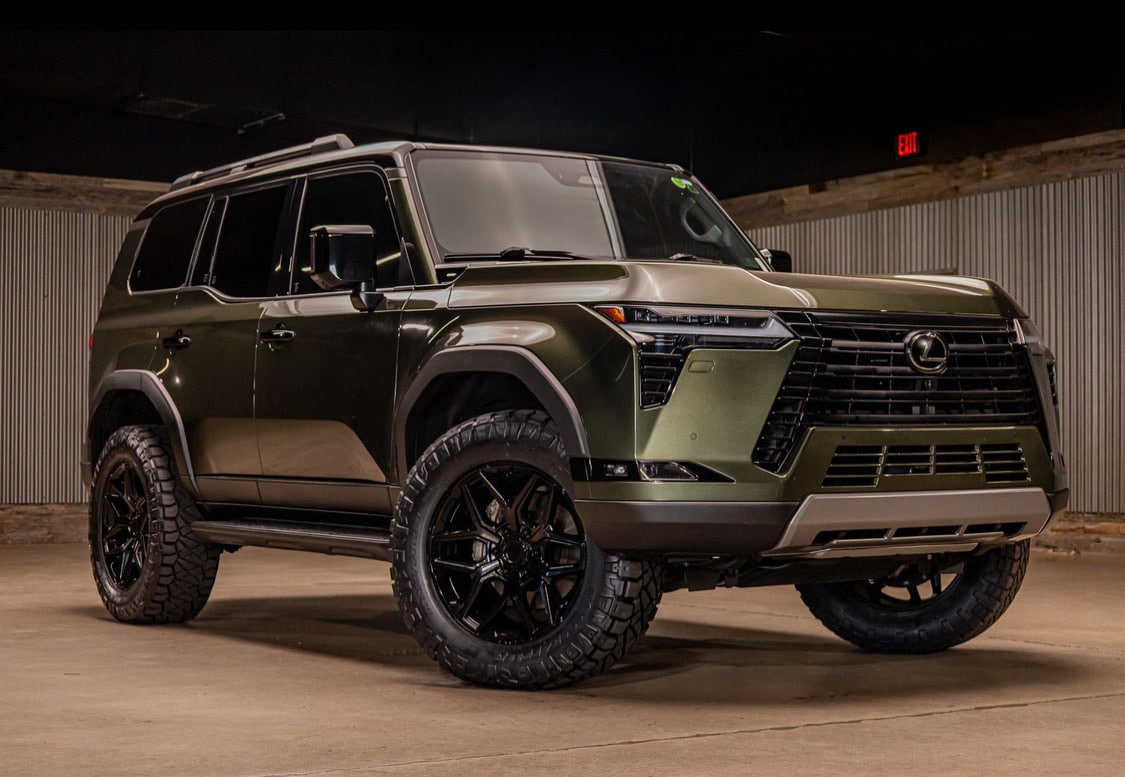
At Lifted Trucks, wheel fitment is not treated as an aesthetic afterthought. It is a carefully engineered balance between appearance, performance, safety, and long-term reliability. In this guide, we will explain wheel offset, backspacing, and fitment in detail, how they affect your lifted truck, and why proper setup makes the difference between a professionally built truck and a compromised build.
What Is Wheel Offset?
Wheel offset refers to the distance between the wheel’s mounting surface and the centerline of the wheel. This measurement determines how far the wheel sits inward or outward relative to the suspension and fender.
There are three primary types of wheel offset:
Positive Offset: The mounting surface is closer to the outside face of the wheel. This pulls the wheel inward toward the suspension and frame.
Zero Offset: The mounting surface sits directly at the centerline of the wheel.
Negative Offset: The mounting surface is closer to the inside face of the wheel. This pushes the wheel outward, creating a wider stance.
Most lifted trucks use negative offset wheels to achieve the aggressive stance enthusiasts love while maintaining proper clearance for larger tires and suspension components.
Why Offset Matters on Lifted Trucks
Wheel offset directly affects multiple aspects of your truck’s performance and behavior.
Stance and Appearance
Negative offset creates the wide, planted stance that defines modern lifted truck aesthetics. It allows the wheels to sit flush with or slightly outside the fender line, creating a muscular, aggressive look.
Properly selected offset ensures:
• Balanced, symmetrical stance
• Proper fender alignment
• No excessive wheel tuck or protrusion
• Clean, professional appearance
Poor offset selection can make even an expensive build look unbalanced or poorly executed.
Suspension Clearance
Lifted trucks often use larger suspension components, including upgraded control arms, coilovers, and steering hardware. Proper offset ensures sufficient clearance between the wheel and these components.
Improper offset can cause:
• Rubbing against suspension components
• Steering interference
• Restricted turning radius
• Accelerated component wear
Stability and Handling
Wider track width improves vehicle stability by increasing resistance to body roll. Proper offset enhances stability during:
• Highway driving
• Off-road terrain
• Cornering
• Emergency maneuvers
This is especially important for trucks running larger tires and higher ride heights.
What Is Wheel Backspacing?
Backspacing measures the distance from the mounting surface of the wheel to the inner edge of the wheel barrel.
Backspacing determines how much clearance exists between the wheel and suspension components such as:
• Upper control arms
• Brake calipers
• Frame components
• Coilovers
Backspacing is measured in inches, while offset is measured in millimeters. Both measurements describe wheel positioning, but in different ways.
For lifted trucks running larger tires, proper backspacing is critical to avoid rubbing and ensure full steering articulation.
Offset vs Backspacing: Understanding the Relationship
Offset and backspacing are directly related. When offset becomes more negative, backspacing decreases, pushing the wheel further outward.
For example:
A wheel with more negative offset:
• Has less backspacing
• Sits further outward
• Creates wider stance
A wheel with more positive offset:
• Has more backspacing
• Sits further inward
• Creates narrower stance
Professional builders like Lifted Trucks carefully select both offset and backspacing to ensure optimal performance, appearance, and reliability.
How Wheel Offset Affects Lifted Truck Fitment
Fitment refers to how the wheels and tires sit within the wheel wells relative to the suspension and body.
There are three common fitment styles.
Flush Fitment
This is considered the ideal balance. The wheel sits flush with the fender, creating a clean, aggressive look without excessive protrusion.
Benefits include:
• Professional appearance
• Reduced debris spray
• Optimal suspension geometry
• Excellent stability
This is the preferred configuration for most Lifted Trucks builds.
Slightly Aggressive Fitment
The wheel extends slightly beyond the fender, creating a more aggressive appearance.
This style is popular among enthusiasts seeking maximum visual impact while maintaining functionality.
Extreme Aggressive Fitment
The wheel extends significantly beyond the fender.
While visually dramatic, excessive negative offset can increase stress on:
• Wheel bearings
• Ball joints
• Suspension components
This is why professionally engineered builds balance aggression with mechanical longevity.
How Offset and Backspacing Affect Suspension Geometry
Wheel positioning changes leverage forces applied to suspension components.
Excessively negative offset increases load on:
• Wheel bearings
• Tie rods
• Ball joints
• Steering components
Properly engineered lifted trucks use offset ranges that maintain safe mechanical loads while achieving aggressive stance.
Lifted Trucks selects wheel fitment combinations that preserve component longevity while delivering exceptional aesthetics.
Tire Size, Offset, and Lift Height: The Complete Fitment Equation
Wheel offset must work in harmony with tire size and lift height.
For example:
A truck running 35-inch tires with a 6-inch lift requires different offset than a truck running 37-inch tires with a 3-inch lift.
Key factors include:
• Tire diameter
• Tire width
• Suspension lift height
• Control arm design
• Fender clearance
Proper coordination prevents rubbing and ensures full suspension travel.
Why Professional Fitment Matters
Improper wheel selection can cause serious long-term problems including:
• Premature suspension wear
• Steering instability
• Reduced safety
• Poor ride quality
• Tire rubbing
• Reduced fuel efficiency
Professionally engineered lifted trucks eliminate these risks through carefully selected component combinations.
Lifted Trucks engineers every build with proven wheel and tire combinations that ensure optimal performance and reliability.
Why Lifted Trucks Builds Have Superior Fitment
Unlike private builds, Lifted Trucks vehicles are engineered as complete systems. Wheel offset, backspacing, suspension components, and tire size are selected together to ensure perfect compatibility.
Every Lifted Trucks vehicle benefits from:
• Professionally engineered fitment
• Premium wheels and suspension systems
• Proven component combinations
• Optimized ride quality and handling
• Long-term durability and reliability
This ensures customers receive vehicles that perform as well as they look.
The Perfect Balance of Performance and Appearance
The best lifted trucks achieve a balance between aggressive stance, mechanical reliability, and optimal driving performance. Wheel offset and backspacing are critical components of this equation.
Proper fitment enhances:
• Stability
• Ride quality
• Steering precision
• Suspension longevity
• Overall vehicle safety
When engineered correctly, these elements create a vehicle that feels confident, stable, and capable in all driving conditions.
Why Lifted Trucks Is the Authority in Lifted Truck Fitment
With over 30 years of experience and thousands of professionally built trucks, Lifted Trucks has refined the science of wheel fitment.
Every vehicle is engineered to deliver:
• Exceptional appearance
• Superior driving dynamics
• Long-term reliability
• Maximum customer confidence
Customers can trust that every Lifted Trucks vehicle meets the highest standards of quality and engineering.
Find Your Perfectly Built Lifted Truck Today
Wheel offset, backspacing, and fitment are critical components that separate professionally engineered lifted trucks from compromised builds. These technical details affect performance, safety, reliability, and overall driving experience.
When you purchase from Lifted Trucks, you are investing in a vehicle built with precision, expertise, and proven engineering.
Explore our nationwide inventory today and experience the confidence, performance, and presence of a professionally built lifted truck designed to exceed expectations.
