The Complete Guide to Airing Down Your Tires for Off-Roading: Maximum Traction, Control, and Protection Across Every Terrain
Airing down is one of the highest impact off-road techniques you can learn because it fundamentally changes how your tire interacts with the terrain beneath it. Lowering tire pressure allows the tread to conform to uneven surfaces, increases the contact patch, improves traction, softens harsh impacts, reduces wheel hop, and enables the tire to wrap around rocks instead of bouncing off them.
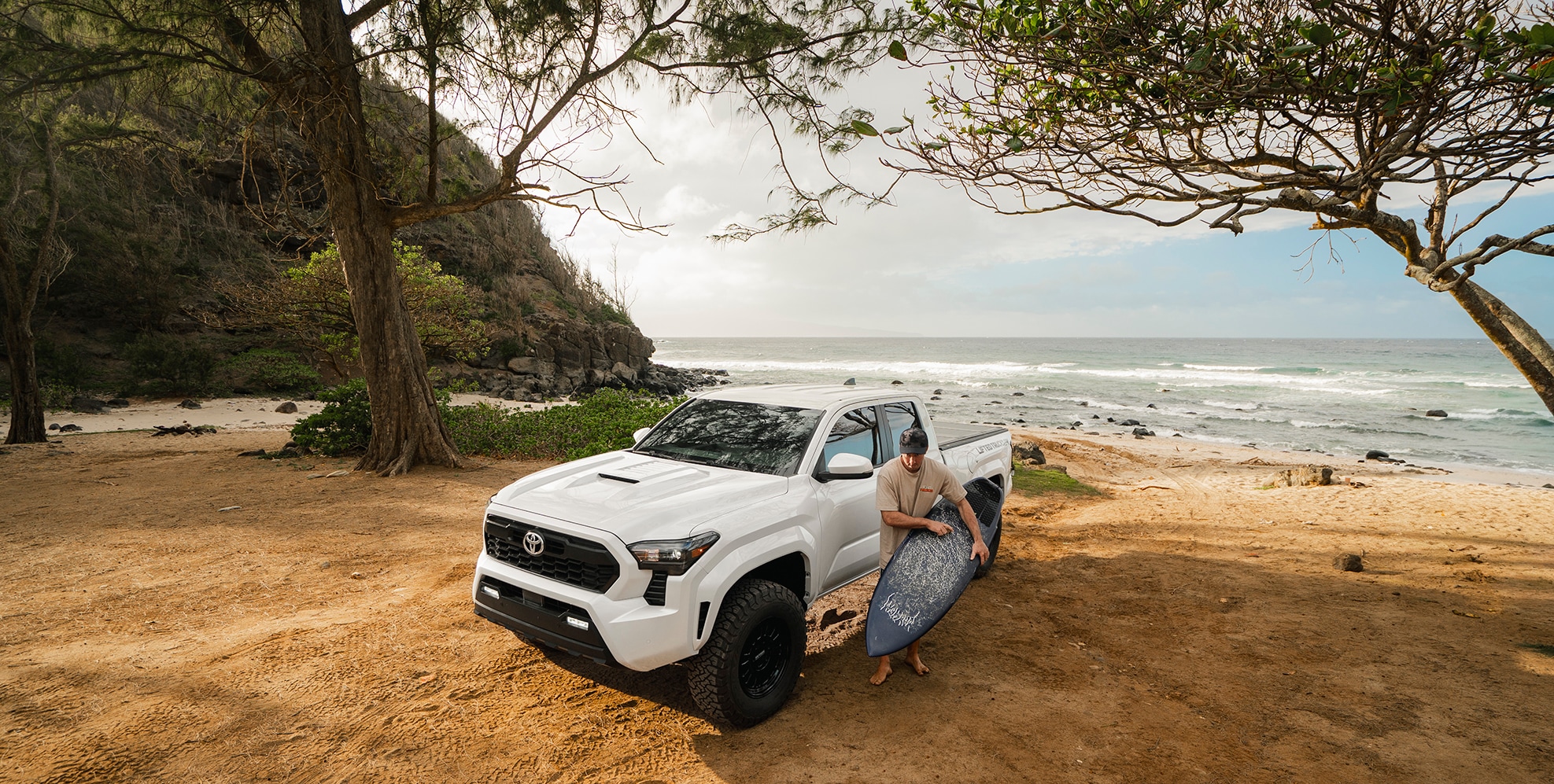
When done correctly, airing down makes your truck feel more controlled, more capable, and significantly more confident across gravel roads, dirt trails, sand dunes, mud, slickrock, snow, and rocky terrain.
When done improperly, however, airing down can damage sidewalls, unseat tire beads, overheat tires, or bend wheels. Understanding how to select the correct tire pressure for each terrain type is essential for both performance and safety. This comprehensive guide will teach you how to properly air down, how terrain affects tire pressure selection, how vehicle weight and tire construction influence PSI, and how to safely air back up when your trail ends.
Why Airing Down Works: The Science Behind Traction
The effectiveness of airing down comes down to one primary factor: increased contact patch. As tire pressure decreases, the tire footprint becomes longer and wider. This increased surface area allows the tread to grip loose terrain more effectively and conform to obstacles rather than deflecting off them.
Lower pressure provides several key benefits:
• Increased traction on loose terrain such as sand, dirt, and gravel
• Improved grip on rocks through tire deformation and conformity
• Reduced vibration and impact harshness on rough surfaces
• Improved ride quality and suspension effectiveness
• Reduced risk of wheel damage on rocks due to tire absorption
However, lower pressure also increases sidewall flex, heat buildup, and the risk of bead separation if pressures are reduced excessively. The key is finding the optimal balance between traction and structural integrity.
The Four Critical Factors That Determine Proper Off-Road Tire Pressure
There is no universal PSI that works for every truck or terrain. Proper tire pressure depends on four primary variables:
1. Vehicle Weight
Heavier trucks require higher PSI to support weight and prevent excessive sidewall collapse. A fully loaded diesel truck weighing 7,500–8,500 pounds will require higher aired-down pressure than a lighter midsize truck weighing 4,500–5,500 pounds.
Additional weight from gear, passengers, armor, roof racks, bumpers, winches, or towing equipment increases pressure requirements further.
2. Tire Construction and Load Rating
Load Range E tires, common on heavy duty and lifted trucks, have stronger sidewalls and typically tolerate lower pressures safely. Mud terrain tires often have stronger sidewalls than all terrain tires and can safely operate at lower PSI in technical terrain.
Passenger-rated tires generally require higher PSI when aired down due to softer sidewall construction and increased risk of damage.
3. Wheel Type: Standard Wheels vs Beadlocks
Standard wheels rely entirely on air pressure to hold the tire bead against the wheel. Lower pressures increase the risk of bead separation during side loading.
Beadlock wheels mechanically clamp the tire bead to the wheel, allowing significantly lower pressures safely. This is especially beneficial for rock crawling and sand driving.
4. Vehicle Speed
Speed is one of the most important and often overlooked factors. Lower tire pressure generates more heat at higher speeds due to increased sidewall flex.
Low PSI is safe at slow crawling speeds of 2–10 mph but can be dangerous at higher speeds on dirt roads or pavement. Always increase pressure appropriately as speed increases.
How to Properly Air Down Your Tires
The safest and most effective way to air down involves gradual reduction and testing.
Step 1: Stop at the trailhead and determine terrain conditions
Step 2: Use a quality tire deflator or pressure gauge
Step 3: Reduce pressure evenly across all four tires
Step 4: Drive slowly for several minutes and evaluate performance
Step 5: Adjust in small increments of 1–2 PSI until optimal traction is achieved
Watch the tire shape carefully. A properly aired-down tire will show a slight sidewall bulge without appearing collapsed or unstable.
Terrain-Specific Tire Pressure Strategies
Different terrain types require different pressure strategies to maximize traction while protecting tires and wheels.
Gravel Roads and Hard-Packed Dirt
Gravel roads benefit from modest pressure reduction to improve ride quality and traction while preventing excessive heat buildup.
Lower pressure helps reduce vibration and improves vehicle control, but excessive reduction combined with high speed can cause dangerous heat buildup and tire damage.
Maintain moderate pressure reduction and keep speeds reasonable. If driving faster than 40 mph, avoid extremely low pressures.
Washboard Roads and Corrugated Terrain
Washboard terrain creates constant vibration that reduces traction and stresses suspension components.
Slight pressure reduction helps absorb vibration and smooth the ride. However, excessively low pressure can increase sidewall fatigue and risk wheel damage.
The ideal pressure allows the tire to absorb terrain without excessive sidewall collapse.
Loose Dirt and Mixed Terrain Trails
Loose dirt trails benefit significantly from airing down. Increased tire footprint improves traction, braking, and climbing ability.
Gradually reduce pressure until traction improves without excessive tire deformation or instability.
Avoid aggressive throttle inputs, as low pressure increases tire deformation and bead stress.
Sand and Dune Driving
Sand driving requires maximizing flotation to prevent sinking. Lower pressure allows the tire to float on the sand surface instead of digging in.
Smooth throttle inputs and gradual steering movements are essential. Aggressive inputs increase bead separation risk.
Beadlock wheels provide significant advantages in deep sand by allowing lower pressures safely.
Mud Terrain
Mud conditions vary significantly.
Shallow mud benefits from lower pressure to increase grip. Deep mud sometimes benefits from slightly higher pressure to allow the tire to cut through to firmer ground.
Evaluate traction and adjust pressure accordingly. Hidden rocks in mud increase sidewall damage risk, requiring careful pressure selection.
Snow and Winter Off-Roading
Snow performance depends on depth and consistency.
Lower pressure improves flotation in deep snow and increases grip on packed snow.
Hidden obstacles beneath snow increase sidewall damage risk, requiring careful terrain awareness.
Slickrock Terrain
Slickrock provides excellent traction when tires are aired down. Lower pressure allows tires to conform to rock surfaces and dramatically increases grip.
This improves climbing ability and control on steep rock surfaces.
Be cautious of side loading forces that can unseat beads.
Medium Rock Trails and Rock Gardens
Rock gardens require balancing traction and wheel protection.
Lower pressure improves grip and allows tires to absorb impacts, but excessive reduction increases wheel damage risk.
Monitor tire deformation carefully and adjust pressure gradually.
Large Rocks, Technical Rock Crawling, and Ledges
Technical rock crawling benefits from the lowest safe tire pressures.
Maximum tire deformation allows tires to wrap around obstacles and maximize traction.
Beadlock wheels significantly improve safety and performance in technical terrain.
Drive slowly and maintain smooth throttle inputs.
Forest Terrain, Roots, and Wet Trails
Roots and wet surfaces require increased traction and careful tire pressure management.
Lower pressure improves conformity and traction but increases puncture risk from sharp debris.
Careful driving and terrain awareness are essential.
Signs Your Tire Pressure Is Too Low
Recognizing improper pressure helps prevent damage.
Warning signs include:
• Excessive sidewall folding
• Steering instability
• Rim contact with terrain
• Bead noise or air loss
• Excessive tire deformation
Increase pressure immediately if these conditions occur.
Signs Your Tire Pressure Is Too High
Excessively high pressure reduces traction and increases impact forces.
Symptoms include:
• Wheelspin
• Harsh ride
• Reduced traction
• Tire bouncing on terrain
Reduce pressure gradually until traction improves.
How Tire Size and Build Affect Air-Down Performance
Larger tires generally allow lower pressure safely due to increased air volume and sidewall height.
Wider tires improve flotation in sand, while narrower tires can improve penetration in mud and snow.
Load Range E tires provide increased durability and protection when aired down properly.
The Importance of Airing Back Up
Driving on pavement at low pressure is unsafe and can cause catastrophic tire failure due to heat buildup.
Always air tires back to proper street pressure before returning to pavement or driving at higher speeds.
A portable air compressor is essential equipment for any serious off-road enthusiast.
Essential Air-Down Equipment
Proper equipment ensures safety and consistency.
Recommended equipment includes:
• Quality digital tire pressure gauge
• Tire deflators
• Portable air compressor
• Tire repair kit
• Full-size spare tire
These tools allow safe and effective pressure management in remote environments.
Final Thoughts: Tire Pressure Is the Most Powerful Off-Road Upgrade
Airing down your tires is one of the most effective ways to improve off-road performance, traction, safety, and ride quality. Proper tire pressure transforms how your truck interacts with terrain and dramatically improves capability across sand, rock, mud, snow, and dirt.
Mastering tire pressure management allows you to unlock the full potential of your truck and drive with confidence across the most challenging environments.
If you want a truck engineered to perform at the highest level in real off-road conditions, explore our Lifted Trucks inventory. Our professionally built lifted trucks are designed with proper tire and suspension setups that maximize performance, durability, and off-road capability. Your next off-road adventure starts with the right truck, built the right way.